


Summary
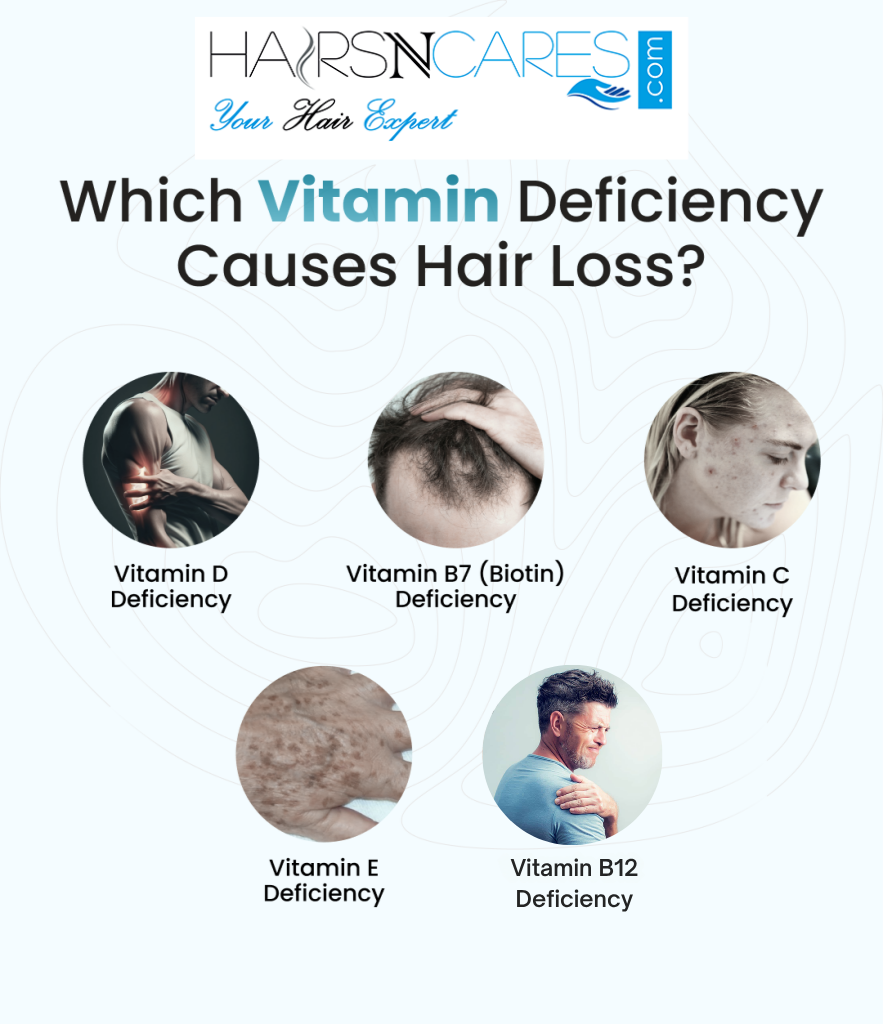
For both men and women, hair loss is becoming an increasing concern across the world. Although genetics, stress, and hormonal changes all contribute to hair loss, nutritional deficiencies, especially vitamin deficiencies, may be passed over too often as a potential cause. Vitamins such as Vitamin D, Vit B7 (Biotin), Vit B12, Vit C, and Vit E can be connected to hair growth or poor health for your scalp. If you do not have enough nutrients to feed the hair follicle, you can weaken hair to cause thinning, and lead to an increased amount of hair being shed. In this blog, we can outline which vitamin deficiency causes hair loss, symptoms to relate to the deficiency, and ultimately which food sources can aid in the return to healthy hair.
Introduction
In many societies, shiny, strong, and thicker hair is often interpreted as a sign of good health. However, when your hair starts to fall out or significantly thinning, most people jump to the conclusion it must be a family genes thing or they are aging. While aging, family genes, or some other reason may at times be important factors, a person’s diet also plays a major factor. Your body needs to have a consistent and steady supply of nutrients in order to maintain a healthy hair growth cycle. Among those nutrients, vitamins are probably the most important, because they are what keep the cells growing, circulations going, and protein producing. Deficiency of vitamins can be a direct trigger for hair loss.
So a simple question we will answer is: Which vitamin deficiency causes hair loss? We can also review some symptoms of deficiency, plus, describe natural food sources that might prevent hair thinning.
1. Vitamin D Deficiency and Hair Loss
- While Vitamin D is necessary for strong bones, it fulfills another, more direct role in the health of hair follicles, even contributing to hair growth by stimulating new and old follicles. Deficiency of Vitamin D often correlates with alopecia areata, an autoimmune condition causing patchy hair loss.
- Some of the symptoms of Vitamin D deficiency are thinning hair, patchy bald spots, a weak immune system, and fatigue.
- Food sources of Vitamin D are fatty fish (salmon, mackerel), egg yolks, fortified milk, and mushrooms.
- A helpful tip for enhancing vitamin D levels is to get outside in some sunshine for 15–20 minutes per day.
2. Vitamin B7 (Biotin) Deficiency
- Frequently referred to as the “hair vitamin,” biotin (vitamin B7) assists in the development of keratin which is a protein found in hair, skin and nails. When a person is deficient in biotin symptoms might include thinning hair, brittle hair and the loss of hair.
- Signs of Deficiency – unhealthy hair with breakage and loss, brittle nails, rash on skin and fatigue.
- Food Sources – nuts and seeds, eggs, sweet potatoes and whole grains.
- Tip: Don’t over cook your eggs – heat damages biotin!
3. Vitamin B12 Deficiency
- Vitamin B12 creates red blood cells that aid in the delivery of oxygen and nutrients to the scalp and hair follicles. Without enough oxygen supply to the follicles, they become weak and excessive shedding can occur.
- Deficiency Symptoms are: Hair loss, pale skin, weakness, memory problems, and tingling in the hands/feet.
- Food Sources: Meat, dairy, poultry, fish, and fortified plant-based alternatives.
- Tip: Vegetarians and vegans are more apt to be deficient in vitamin B12 and should consider supplementation.
4. Vitamin C Deficiency
- Vitamin C is an antioxidant that protects the hair from free radical damage. Primarily, it enhances the body’s ability to absorb iron. Since iron deficiency is one of the biggest culprits when it comes to hair loss, the absence of vitamin C might cause thinning indirectly.
- Deficiency Symptoms: Hair loss, dry hair, bleeding gums, and frequent colds bring.
- Food Sources: All citruses, strawberries, kiwi, bell peppers, broccoli bring.
- Tip: When possible, combine iron and vitamin C sources (such as spinach with lemon juice).
5. Vitamin E Deficiency
- Vitamin E helps blood circulation in the scalp which allows the hair follicles to receive enough nutrients and oxygen. As an effective antioxidant, it eventually prevents oxidative stress that can inhibit growth.
- Deficiency Symptoms: Hair breakage, dullness, dry scalp, and the same skin issues.
- Food Sources: Almonds, sunflower seeds, spinach, avocados bring.
- Tip: While vitamin E oil is often used topically in hair and skin care, dietary intake is also important.
Other Nutrients to Consider
Vitamins are key but other nutrients help your hair grow as well.
Iron–Prevents hair loss associated with anemia.
Zinc–Allows for tissue growth and repair.
Protein–Needed for keratin production.
Eating a balanced diet will keep your body nourished with these nutrients in the right amounts.
Conclusion
So if hair loss is related to vitamin deficiency, which vitamin? The answer is more than one vitamin. Vitamin D, Biotin (B7), Vitamin B12, Vitamin C and Vitamin E can all lead to hair loss, thinning and shedding. Each of these vitamins also plays a role in how we support hair follicles, blood flow to nourish hair, and produce protein. In fact, a deficiency in any of these areas will contribute to hair health.
The good news is that we can heal the vitamin levels needing restoration with a properly nourished diet, sun exposure, and some supplements. If you are experiencing hair loss, thickening or shedding its a good idea to check with your doctor or nutritionist for a professional assessment for a diagnosis and treatment.
Want to know what your hair really needs? Take a hair test on Hairsncares and get personalized insights to improve your hair health naturally!