


Recently, we see more people than ever before reporting noticeable hair loss—and not just the occasional extra hairs you notice in the drain of the shower after washing your hair. The hair loss phenomenon that will surge in 2025 has become a cause for concern for dermatologists, trichologists, and health-conscious people everywhere. Let’s explore what’s really driving this trend, what things are making it worse, and what you can do about hair thinning before it turns into a bigger issue.
- What does the data say? A rising trend.
According to a large AI-based analysis of over one million users on a hair-health app, moderate to severe hair loss increased markedly with age and was occurring more than previously recognized.
The same report also recognized that genetic makeup is still an important factor even when you’re younger, which is more pronounced (especially in men) and women typically experience hair thinning earlier in the course—however, men experience a more severe presentation.
Furthermore, from vendor statistics, we also know that spend in the hair-loss category is projected to be quite high in 2025 which clearly indicated growing demand but also concern.
So yes: “hair loss” is trending.
Stress, lifestyle and environmental triggers Modern lifestyles have brought several risk factors for hair thinning or have exacerbated the risk. Chronic stress and poor sleep put pressure on the hair growth cycle, moving a greater number of hair follicles into the resting (telogen) phase rather than the growth (anagen) phase. HairPalace Poor diet or nutritional deficiencies (iron, vitamin D, protein) can inhibit hair growth and/or quality. HairPalace Environmental factors such as pollution, oxidative stress and, quite simply, habits such as excessive heat styling or tight hairstyles, all add stress to hair follicles. The “post-pandemic” and “health-event” factor
Although most direct linkages are still speculative, increased reports of health shocks such as serious illness, major surgery, or severe infection are raising concerning amounts of a condition called Telogen Effluvium, where shedding occurs approximately one to three months after the health event. Mayo Clinic Even in 2025 we are observing higher numbers of triggered shedding, at least in part as we adjust to the more long-term effects of a singular global health event.
Technological and “awareness” factors related to the modern lifestyle and health issues is the way people think about and measure hair loss. More awareness around hair thinning/loss, social media and apps for tracking hair loss, and AI tools for diagnosing hair loss, has placed us in a situation to identify hair loss sooner (and may be more vocal about hair loss).
- What are the unique characteristics of the hair loss uptick being noted in 2025?
Earlier onset: Younger demographics are expressing mild thinning more than they have in previous years. (Dermatology Times)
More female cases: Although men have more severe male-pattern hair loss compared to women, women are reporting thinning, and are more often seeking some type of intervention. (Dermatology Times)
More temporary shedding events: Shedding spikes related to health stresses, hormonal fluctuations and lifestyle disruptions as well as lifestyle events are noted as being higher in 2025.
New treatment demand being more common: There has been advance/growth in progressive treatments (stem cells, regenerative medicine, etc.) which reflects a responsive growth trend corresponding to the uptick of hair loss attempts to remedy this issue. (Alvi Armani International)
- What you can do – Practical considerations for addressing hair thinning.
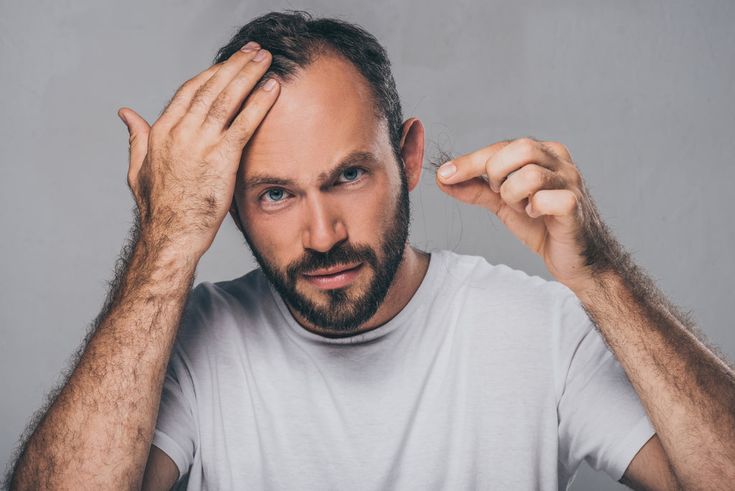
Identify early stage and approach from a realistic perspective: If you notice more hair falling out, thinning at or near the part, (or) if you notice wider space along the hairline, this may be related to hair loss (if you have noticed this in your hair pattern). Do not ignore this. Early identification/identification earlier is better. (Look into photos over time instead of day-to-day comparisons.)
Understand that “hair loss” does not mean there are no hair follicles because much of hair loss is due to hair follicles being in a dormant state, unless it clearly is male pattern baldness and along the male pattern baldness lines of exclusion.
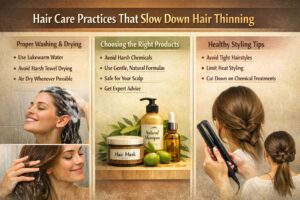
Balance lifestyle and nutritional support: Balance diet, rich in protein, iron, vitamin D, and other minerals that are beneficial to hair follicle health.
Chronic stress management: Consider mindfulness, adequate sleep, and moderate exercise. All of these considerations will prompt the hair growth cycle.
Avoid overly aggressive hairstyles, heat damage.
Set expectations and emotional impact.
Individuals often associate hair loss and thinning hair directly with self-image, confidence, or long-term self-perception. It is critical to understand the emotional component; obtaining support information early, either through a counselor, or group arrangement, will aid in lightening the load of transition.
- Main point.
The hair loss explosion of 2023 does not occur because of one occurrence of nature; it is a cocktail of genetic makeup, hormonal changes, lifestyle stressors, awareness, and health occurrences which can disrupt biology. The good news; advances in diagnosis and regenerative treatment options which did not exist just over years ago; in the unfortunate event you find yourself thinking, “my hair is thinning”, taking action sooner either with healthy lifestyle behaviors, or professional advice mitigate hair health.
Conclusion.
Hair loss of 2025 is more normal, more variable and more treatable. Genetics still reign, however, lifestyle, stress, health issues, and new biology adds to the picture. The key is early recognition of thinning hair, healthy eating, self-care healthy behaviors, and the appropriate medical or professional support. Remember, you are not alone and significant and meaningful change is possible with informed behaviour. Consider scalp health as part of your whole body health.
FAQs
- Why am I shedding more hair than usual in 2025?
Increased shedding can be due to stress, hormonal shifts (pregnancy, menopause), nutritional deficits, or a health shock causing telogen effluvium. It might also signal the early stage of hereditary thinning. - Does losing hair mean I will go bald?
Not necessarily. Many forms of hair loss (especially early) are treatable or manageable. Dormant follicles can sometimes be revived. Early detection and intervention improve outcomes. - Are there new treatments for hair loss in 2025?
Yes. Beyond traditional options, 2025 offers promising treatments like stem-cell therapies, advanced topical agents and regenerative medicine targeting dormant follicles. - What lifestyle changes can help slow or prevent hair thinning?
Ensure sufficient sleep and stress-management, consume a nutrient-rich diet (protein, iron, vitamin D), avoid excessive heat/chemical damage, maintain good scalp circulation, and stop smoking. - When should I consult a specialist about hair loss?
If you notice rapid thinning, a widening part, bald patches, or hair loss following illness or major stress—seeing a dermatologist/trichologist early lets you assess the cause and act sooner for better outcomes.