


Understanding Hair Loss Due to Stress means knowing how emotional or physical stress disrupts your natural hair growth cycle, often causing unexpected hair thinning or shedding. When life feels overwhelming—whether due to work pressure, personal challenges, or health issues—your body reacts by releasing cortisol, the stress hormone. This hormone can push hair follicles into the resting phase prematurely, leading to noticeable hair fall several weeks later. If you’ve started losing more hair than usual without an obvious reason, stress might be the hidden culprit.
Knowing this helps you take early action and avoid long-term damage. It’s especially useful for men and women dealing with sudden hair thinning or patchy bald spots. Combining stress management techniques with effective hair fall remedies, such as using the best hair oil for women hair growth or trying simple home remedies for hair fall, supports faster hair regrowth. Understanding how stress impacts hair empowers you to regain control and maintain healthier, thicker hair over time.
Why Stress-Related Hair Loss Matters
Hair loss is a common problem affecting millions worldwide, and stress is one of the leading but often overlooked causes. While occasional hair shedding is normal, excessive hair fall can damage self-esteem and overall well-being. In our fast-paced world, mental and emotional pressure is constant, making stress-induced hair loss a growing concern. Knowing how stress affects hair growth, spotting early symptoms, and exploring proven hair loss treatments and hair fall remedies are key steps to tackle this issue effectively.
What Is Stress-Induced Hair Loss?
Stress-induced hair loss happens when physical or emotional stress interferes with the natural hair growth cycle, causing excessive hair fall or noticeable thinning. The hair growth cycle has three key stages:
- Anagen Phase (Growth Phase): Hair grows actively for 2 to 7 years.
- Catagen Phase (Transition Phase): Hair growth slows, and the follicle shrinks, lasting about 2 to 3 weeks.
- Telogen Phase (Resting Phase): Hair stops growing and eventually falls out, typically after 2 to 3 months.
When the body faces extreme stress, many hair follicles shift to the telogen phase too early. This leads to visible hair shedding several weeks or even months after the stressful event.
Common Types of Stress-Induced Hair Loss
There are three primary types of hair loss triggered by stress:
- Telogen Effluvium: This is the most common type of hair loss due to stress. It occurs when a large number of hair follicles enter the telogen phase prematurely. As a result, people notice more hair falling out when they brush or wash their hair.
- Alopecia Areata: An autoimmune condition where the body’s immune system mistakenly attacks hair follicles, often triggered by severe emotional or physical stress. This leads to sudden, patchy bald spots, usually circular in shape.
- Trichotillomania: A psychological disorder where stress or anxiety makes individuals pull out their own hair, causing noticeable hair loss over time.
What Causes Stress-Induced Hair Loss?
Stress triggers the body’s “fight or flight” response, releasing cortisol and adrenaline. These hormones disrupt the natural hair growth cycle in several ways:
- Hormonal Imbalance: High cortisol levels suppress hair follicle function, leading to stalled hair growth or excessive shedding.
- Reduced Blood Flow: Stress constricts blood vessels, cutting down oxygen and nutrients that hair follicles need.
- Inflammation: Stress can cause inflammation that damages hair follicles, worsening hair loss.
- Nutrient Deficiency: Chronic stress interferes with digestion and nutrient absorption, robbing hair follicles of essential vitamins and minerals needed for growth.
Signs and Symptoms of Stress-Induced Hair Loss
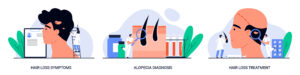
Identifying stress-related hair loss early helps you seek prompt hair loss treatment. Look out for these signs:
- Excessive hair fall during brushing or washing
- Thinning hair across the scalp
- Bald patches (especially in alopecia areata)
- Hair shedding in clumps
- Weak, brittle, or dry hair strands
How to Diagnose Stress-Related Hair Loss
A proper diagnosis is essential to rule out other causes like thyroid disorders, hormonal imbalances, or genetics. A dermatologist or trichologist may perform:
- Medical History: Discussion about recent stressors, medical history, lifestyle, and family history of hair loss.
- Scalp Examination: Visual inspection of hair loss patterns and scalp condition.
- Pull Test: Gently pulling a small section of hair to see how many strands fall out.
- Blood Tests: Checking for hormone levels, nutrient deficiencies, or autoimmune issues.
- Scalp Biopsy: In rare cases, a small skin sample is analyzed to understand the hair loss cause.
Effective Hair Fall Remedies for Stress-Induced Hair Loss
While stress-related hair loss can feel concerning, the good news is that it is often temporary. Once you manage the stress, hair usually begins to regrow naturally. However, adding effective hair treatment for hair loss solutions speeds up recovery and promotes healthy hair regrowth.
1. Stress Management Techniques
Managing stress plays a crucial role in stopping hair fall and preventing future episodes. Try these proven methods:
- Meditation and Mindfulness: Regular practice lowers cortisol levels and calms your mind.
- Exercise: Physical activities release endorphins, reduce stress, and boost blood flow to the scalp.
- Adequate Sleep: Aim for 7–8 hours of sleep every night for body repair and rejuvenation.
- Therapy or Counseling: Speaking with a professional helps tackle chronic anxiety, depression, or emotional issues.
2. Home Remedy for Hair Fall
Natural remedies can complement medical treatments and hair loss treatment plans:
- Aloe Vera Gel: Apply pure aloe vera gel to the scalp to soothe inflammation and promote hair regrowth.
- Coconut Oil Massage: Packed with fatty acids and antioxidants, coconut oil improves scalp health and strengthens hair.
- Onion Juice: Rich in sulfur, it boosts collagen production and stimulates hair growth. Apply freshly extracted onion juice to the scalp and rinse after 30 minutes.
- Fenugreek Seeds: Soak seeds overnight, grind into a paste, and apply to the scalp to fight hair thinning.
3. Hair Treatment at Home for Hair Fall
Simple at-home care steps can significantly boost hair health:
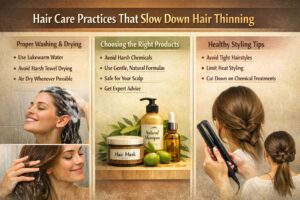
- Gentle Hair Washing: Use a mild, sulfate-free shampoo and lukewarm water to avoid drying out your scalp.
- Balanced Diet: Eat foods rich in proteins, iron, vitamins A, C, D, and E, and zinc to nourish your hair.
- Herbal Supplements: Biotin, saw palmetto, and marine collagen help improve hair thickness and strength.
4. Best Hair Oils for Hair Growth
Using the right hair oil plays a big part in restoring hair health:
- Best Hair Oil for Women Hair Growth: Castor oil stands out for encouraging hair regrowth and thickening strands, thanks to its ricinoleic acid that improves blood circulation.
- Best Hair Oil for Men Hair Growth: Rosemary oil blended with jojoba or argan oil helps reduce hair thinning and stimulates follicle regeneration.
5. Hair Loss Treatment Options
If hair loss continues, medical hair loss treatments may be necessary:
- Minoxidil: A topical solution that enhances blood flow to the scalp, promoting hair regrowth and prolonging the growth phase.
- Platelet-Rich Plasma (PRP) Therapy: Plasma from your own blood is injected into the scalp to stimulate follicles.
- Prescription Medications: Finasteride is often recommended for male pattern baldness to slow hair loss.
6. Professional Hair Treatment for Hair Loss
Visiting a trichologist or dermatologist for personalized hair treatment for hair loss is advised for lasting results. These experts design treatment plans combining lifestyle adjustments, topical solutions, and medical interventions to target specific hair loss types.
Hair Transplant as a Last Resort
When hair loss becomes permanent due to scarring or long-term follicle damage, hair loss treatment through transplant surgery becomes an option. The two most common procedures are:
- Follicular Unit Extraction (FUE): Individual hair follicles are taken from the donor area and transplanted to thinning or bald spots.
- Follicular Unit Transplantation (FUT): A strip of scalp is removed from the donor area, and hair grafts are placed in the target area.
Consult experienced hair transplant surgeons who assess your donor area and recommend the best method.
Long-Term Prevention and Maintenance
To prevent future stress-related hair loss and keep your hair healthy, follow these habits:
- Regular Scalp Massages: Boost blood circulation and strengthen hair roots.
- Balanced Lifestyle: Eat well, exercise regularly, and avoid smoking or excessive drinking.
- Stay Hydrated: Proper water intake aids nutrient absorption and keeps hair follicles nourished.
- Limit Heat Styling: Avoid excessive use of hair dryers and straighteners, which can weaken hair.
- Regular Health Checkups: Monitor thyroid function, hormone levels, and nutrition to catch any problems early.
Take Control of Your Hair Health Today
Hair loss due to stress can be overwhelming, but it doesn’t have to be permanent. With the right mix of stress management, home remedy for hair fall, professional hair treatment for hair loss, and medical solutions, you can restore your hair health and confidence. Understanding the causes and adopting a comprehensive hair fall remedy plan makes a real difference.
For personalized hair loss treatment and expert guidance, visit hairsncares.com.
Hairsncares.com is a digital healthcare platform specializing in personalized hair loss diagnosis and treatment solutions. It offers a seamless online experience where users can:
- Take a hair test online to assess hair loss patterns and contributing factors,
- Consult with certified dermatologists remotely,
- Receive a comprehensive prescription, diagnosis report, and management plan,
- Have all recommended medicines or treatments auto-added to their online cart for convenient purchase,
- Gain access to diet, stress, and lifestyle advice, and
- Work with a dedicated hair coach to track and optimize treatment progress over time.
Combining medical expertise with smart technology, hairsncares.com delivers end-to-end hair care management—accessible, affordable, and tailored for every individual.
Don’t let stress take your hair and confidence away. Visit hairsncares.com and start your journey toward stronger, healthier hair today.