


Understanding Different Types of Hair Loss and Their Treatments helps you figure out why your hair is thinning, falling out, or not growing as it should. This topic matters to anyone experiencing sudden shedding, bald spots, or gradual thinning — whether from genetics, stress, or hormonal changes.
By identifying the root cause, you can choose the most effective hair loss treatment or hair restoration option for your condition. From temporary issues like telogen effluvium to permanent forms like androgenetic alopecia, understanding each type of hair loss helps you act early.
Modern solutions, including FUE hair transplant procedures, hair fall remedies, home remedies for hair fall, and advanced medical treatments, make hair regrowth more achievable than ever. This guide is your first step toward finding a personalized, lasting solution for hair loss, helping you restore both your hair and confidence with expert care.
What Is Hair Loss?
Hair loss, or alopecia, happens when the hair growth cycle is disrupted, causing thinning, bald patches, or even complete loss of hair. Normally, we shed about 50–100 hairs a day. When shedding exceeds regrowth, noticeable thinning begins.
The causes vary — genetics, hormonal changes, nutritional deficiencies, stress, or scalp infections. Thankfully, today’s advanced hair loss treatments, hair fall remedies, and hair restoration techniques make it possible to manage and reverse the condition effectively.
Common Types of Hair Loss
Let’s explore the most common types of hair loss, along with their causes, symptoms, and best treatments.
- Androgenetic Alopecia (Male & Female Pattern Baldness)
Androgenetic alopecia is the most common cause of hair loss among both men and women. It’s hereditary and linked to hormonal sensitivity — especially to DHT (dihydrotestosterone).
Symptoms:
• Gradual thinning on the crown and temples in men
• Widening part or overall thinning at the top of the scalp in women
Causes:
• Genetic predisposition
• Hormonal imbalance or DHT sensitivity
• Aging and poor lifestyle habits
Treatments:
- Medications
- Minoxidil (Rogaine): A topical hair treatment for hair loss that promotes new hair growth.
- Finasteride (Propecia): An oral drug that blocks DHT and slows down hair loss in men.
- Hair Transplant Surgeries
- Advanced types of hair transplant procedures such as Follicular Unit Extraction (FUE) and Follicular Unit Transplantation (FUT) help restore lost hair by transferring healthy follicles from the donor area to thinning regions.
- Laser Therapy
- Low-Level Laser Therapy (LLLT) reactivates dormant follicles and supports hair regrowth.
- Lifestyle & Nutrition
- Eat foods rich in iron, zinc, and protein.
- Use the best hair oil for men hair growth or best hair oil for women hair growth to strengthen roots naturally.
- Telogen Effluvium
Telogen effluvium is a temporary type of hair loss where many follicles enter the resting phase at once.
Symptoms:
• Sudden, diffuse thinning across the scalp
• Noticeable hair fall while washing or brushing
Causes:
• Physical or emotional stress
• Hormonal fluctuations (like postpartum or menopause)
• Nutrient deficiencies
• Certain medications or illness
Treatments:
• Manage stress and maintain a balanced diet.
• Use natural hair fall remedies such as herbal oils and mild shampoos.
• Try hair treatment at home for hair fall, like applying aloe vera, onion juice, or amla oil.
• If thinning continues, consult a hair transplant surgeon for advanced hair loss treatment options.
- Alopecia Areata
Alopecia areata is an autoimmune condition where the body’s immune system mistakenly attacks hair follicles.
Symptoms:
• Round bald patches on the scalp or beard area
• Sudden shedding in small zones
• In severe cases, total hair loss (Alopecia totalis)
Causes:
• Autoimmune disorders
• Genetic tendency
• High stress levels
Treatments:
- Corticosteroid Injections: Reduce inflammation and help follicles recover.
- Topical Immunotherapy: Stimulates growth by triggering mild skin reactions.
- Hair Regrowth Treatments: Use Minoxidil or anthralin cream to encourage new strands.
- PRP Therapy: A modern hair treatment for hair loss where platelets from your own blood are injected into the scalp to boost hair regrowth.
- Traction Alopecia
Traction alopecia results from tight hairstyles that put continuous strain on the scalp and follicles.
Symptoms:
• Hair breakage or thinning near the hairline
• Scalp tenderness or small bumps
Causes:
• Tight braids, ponytails, or extensions
• Chemical hair treatments or excessive heat styling
Treatments:
• Let your hair rest; avoid tight hairstyles.
• Use home remedies for hair fall like gentle coconut oil or rosemary oil massages.
• Apply the best hair oil for women hair growth or best hair oil for men hair growth that contains castor oil, bhringraj, or onion extract.
• For severe cases, FUE hair transplantations can restore the lost hairline naturally.
- Anagen Effluvium
This type of hair loss happens during the active growth (anagen) phase, usually due to chemotherapy or radiation therapy.
Symptoms:
• Rapid and widespread hair loss
• Eyebrows and eyelashes may also thin out
Causes:
• Cancer treatments (chemotherapy or radiation)
• Exposure to toxins or infections
Treatments:
• Hair often regrows once treatment stops.
• Cooling caps can reduce follicle damage during therapy.
• Gentle scalp massages with hair fall remedy oils can promote hair regrowth after recovery.
- Scarring Alopecia (Cicatricial Alopecia)
This condition causes permanent hair loss due to inflammation that destroys follicles and replaces them with scar tissue.
Symptoms:
• Permanent bald patches
• Itchy, red, or scaly scalp
Causes:
• Autoimmune disorders or infections
• Physical trauma or burns
Treatments:
• Anti-inflammatory medications (like corticosteroids)
• Antibiotics for infection-related cases
• Once stabilized, hair restoration procedures such as FUE or FUT may restore growth.
- Modern Hair Restoration Techniques
When natural methods and medications aren’t enough, modern hair transplant techniques offer long-term results.
- Follicular Unit Extraction (FUE)
A minimally invasive hair transplant procedure where individual hair follicles are extracted from the donor site and implanted into thinning areas.
• Leaves minimal scars
• Short recovery time
• Creates natural-looking transplanted hair - Follicular Unit Transplantation (FUT)
A hair treatment for hair loss that involves removing a strip of scalp from the donor area, then transplanting separated grafts.
• Best for covering large bald spots
• Provides high graft yield - MHI & DHI Techniques
• MHI (Modified Hair Implantation): Precisely implants follicles to ensure density and direction.
• DHI (Direct Hair Implantation): A no-incision method that directly implants extracted follicles for improved survival rates.
These advanced types of hair transplant techniques ensure safe, natural, and lasting hair restoration results.
- Natural and At-Home Remedies for Hair Loss
If you prefer a hair treatment at home for hair fall, these natural solutions nourish your scalp and promote hair regrowth.
- Best Hair Oils for Hair Growth
• Coconut Oil: Deeply conditions and strengthens follicles.
• Castor Oil: Boosts circulation and supports new hair growth.
• Rosemary Oil: Promotes healthy scalp function.
• Bhringraj Oil: A proven hair fall remedy that revitalizes weak strands. - Herbal Masks and DIY Treatments
• Aloe Vera Gel: Soothes the scalp and improves texture.
• Onion Juice: Enhances collagen and strengthens follicles.
• Amla (Indian Gooseberry): Rich in vitamin C, prevents early hair loss. - Diet & Nutrition
• Include iron, zinc, and protein-rich foods like spinach, eggs, and lentils.
• Stay hydrated for scalp nourishment.
• Add omega-3 fatty acids from fish or flaxseeds for thicker, shinier hair.
- When to Consult a Hair Transplant Surgeon
Seek help from a qualified hair transplant surgeon if you notice:
• Widening bald spots
• Persistent thinning
• Uneven or patchy regrowth
A professional diagnosis determines the type of hair loss and the most effective hair loss treatment — from PRP therapy to MHI / DHI, FUE or FUT procedures. Your surgeon will also assess your donor area and hair follicle health before recommending the ideal hair transplant procedure for lasting hair restoration.
- Preventing Hair Loss: Lifestyle and Care Tips
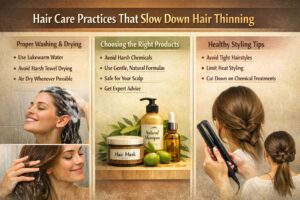
- Avoid harsh chemicals or tight hairstyles.
• Wash hair regularly using mild shampoos.
• Massage your scalp weekly with nourishing oils for better circulation.
• Manage stress through yoga, meditation, and sleep.
• Protect your hair from heat and sun damage.
Consistency and care are key to maintaining hair regrowth and preventing future hair fall.
Conclusion
Understanding Different Types of Hair Loss and Their Treatments is the first step to regaining your confidence. Whether it’s hereditary androgenetic alopecia, stress-related telogen effluvium, or autoimmune alopecia areata, there’s a hair loss treatment for everyone.
With timely diagnosis, personalized care, and expert guidance from a skilled hair transplant surgeon, you can restore your transplanted hair, strengthen your donor site, and enjoy healthy hair regrowth.
In today’s digital era, you can now access professional care from the comfort of your home through hairsncares.com — a digital healthcare platform specializing in personalized hair loss diagnosis and treatment solutions.
It offers a seamless online experience where users can:
- Take a hair test online to assess hair loss patterns and contributing factors,
- Consult with certified dermatologists remotely,
- Receive a comprehensive prescription, diagnosis report, and management plan,
- Have all recommended medicines or treatments auto-added to their cart for convenient purchase,
- Gain access to diet, stress, and lifestyle advice, and
- Work with a dedicated hair coach to track and optimize treatment progress over time.
Combining medical expertise with smart technology, hairsncares.com delivers end-to-end hair care management—accessible, affordable, and tailored for every individual.
Take control of your hair health today — visit hairsncares.com to start your personalized journey toward stronger, fuller, and healthier hair.