



Top 5 Shampoos to Combat Hair Loss
Top 5 Shampoos to Combat Hair Loss is your guide to finding effective, dermatologist-approved products that actually help. Whether you’re spotting more hair in your brush or noticing thinning at your crown, choosing the right shampoo can support your scalp and encourage new hair growth. These picks feature ingredients like biotin, caffeine, ketoconazole, and saw palmetto—proven to nourish the hair follicle and strengthen your strands.
Ideal for men and women dealing with thinning, these shampoos easily fit into your routine. They’re often recommended by a hair transplant surgeon or paired with treatment for hair loss like Minoxidil or supplements to improve results. If you’re not ready for hair transplant procedures, these shampoos can be a simple, non-invasive solution for hair loss.
This list is based on what actually works—not hype—because finding the right solution to hair loss shouldn’t be a guessing game.
Understanding Hair Loss: The First Step
Before exploring the shampoos, it’s important to understand what causes people to lose hair. Hair loss (or alopecia) happens for many reasons: hormones, health conditions, stress, or aging. Finding the right approach often means looking at both internal health and external care. Knowing the type of hair loss you’re dealing with helps guide treatment—whether it’s lifestyle changes or advanced options like hair transplant surgeries.
For example, androgenetic alopecia (pattern baldness) is a genetic condition and often benefits from targeted care. Temporary hair loss like telogen effluvium usually improves with time and support. For lasting results, some opt for types of hair transplant techniques such as follicular unit extraction (FUE), follicular unit transplantation (FUT), or newer options like MHI and DHI methods.
A consultation with a dermatologist or transplant surgeons can help you create a personal plan.
Key Ingredients That Support Hair Growth
To fight hair loss effectively, look for shampoos with ingredients that are proven to help:
- Biotin (Vitamin B7): Boosts keratin, strengthens strands, and reduces breakage—especially helpful before or after a hair transplant procedure.
- Ketoconazole: Fights inflammation and keeps the scalp clear, ideal for protecting the donor area or recipient area.
- Saw Palmetto: Blocks DHT, a hormone tied to hair thinning and androgenetic alopecia—useful in maintaining hair transplant expectations.
- Caffeine: Stimulates follicles and energizes the scalp, great for boosting results from FUE hair transplantations or topical treatments.
- Niacin (Vitamin B3): Improves blood flow to the scalp, nourishing the hair follicle and aiding in overall hair restoration.
Top 5 Shampoos for Hair Loss
1. Nioxin Cleanser Shampoo System 2
This shampoo removes residue and buildup that clog follicles and slow growth. It strengthens hair and helps build thickness over time, laying a solid foundation for healthy hair regrowth.
Pros:
- Deep cleans follicles
- Adds volume and strength
- Works best with full Nioxin System
Cons:
- Needs long-term use for results
- Slightly more expensive
Great as a support product before or after hair transplant surgeries, especially in maintaining the donor site and transplanted hair.
2. Pura D’or Original Gold Label Anti-Thinning Shampoo
Packed with 17 active ingredients including biotin, niacin, and argan oil, this shampoo supports overall hair health while reducing breakage. It’s gentle, organic, and a favorite for those with sensitive scalps.
Pros:
- Natural formula
- No sulfates or parabens
- Suits all hair types
Cons:
- May cause dryness for some
- Slower results
It’s a solid choice for people looking for a safe, ongoing treatment for hair loss—with or without a hair transplant experience.
3. Ultrax Labs Hair Surge Caffeine Shampoo
Combines caffeine, ketoconazole, and saw palmetto to energize the scalp and slow DHT-related hair loss. Suitable for both men and women, it supports hair regrowth and follicle stimulation.
Pros:
- Highly targeted ingredients
- Can be paired with other treatments
- Boosts follicle activity
Cons:
- Pricey
- Might dry the scalp
Ideal for prepping or maintaining results after types of hair transplant procedures, especially when targeting bald spots.
4. OGX Thick & Full Biotin & Collagen Shampoo
Designed to add fullness and volume, this shampoo uses biotin and collagen to enhance each strand. It’s great for daily use and offers an instant visual improvement.
Pros:
- Affordable
- Pleasant scent
- Adds visible volume
Cons:
- Not ideal for oily scalps
- Limited effect on severe hair loss
This works well as a styling boost for those who aren’t ready for a hair transplant procedure but want better thickness fast.
5. Maple Holistics Biotin Shampoo for Hair Growth
A natural option with biotin, coconut oil, and rosemary. This formula is gentle on the scalp and ideal for people with sensitivities.
Pros:
- Natural and sulfate-free
- Supports long-term hair health
- Safe for sensitive skin
Cons:
- Results take time
- Scent may not suit everyone
Perfect for post-op care after FUE or FUT procedures, helping the scalp stay balanced and the hair grafts strong.
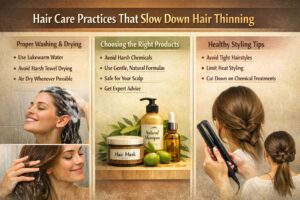
Tips to Maximize Your Shampoo Routine
- Be consistent: Use your shampoo regularly to allow ingredients to work deeply into your hair follicles.
- Massage your scalp: Improves blood flow and enhances absorption—especially important after DHI or MHI
- Live a healthy lifestyle: Eat well, manage stress, and consider supplements to support the healing of transplanted hair or prevent the need for hair transplant surgeries.
Final Thoughts
Choosing the right shampoo is a small change that can make a big difference—whether you’re managing early signs of shedding, supporting a hair transplant experience, or hoping to avoid invasive steps altogether. Combining good products with smart habits gives you the best shot at healthier, fuller hair in the long term.
For deeper cases or surgical options, consulting a hair transplant surgeon helps personalize your approach. Remember: treating hair loss is a journey, and success comes with patience, care, and informed choices.