



Tips for Managing Loose Hair Effectively – A Guide Toward Hair Restoration
Dealing with loose hair daily—from your pillow to your keyboard—can be exhausting. But beyond the mess, loose hair can be an early sign of stress, shedding, or even a more specific type of hair loss like androgenetic alopecia. Whether you’re caring for long layers, breakage recovery, or seeking a solution for hair loss, these realistic tips will help you regain control and promote new hair growth.
Smart Daily Practices to Control Loose Hair
- Brush Gently
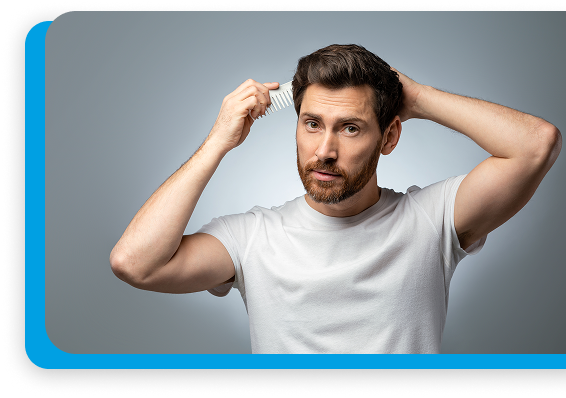
Begin with a wide-tooth comb to minimize pulling and protect the hair follicle. This simple habit prevents damage and supports long-term hair regrowth. - Hydration is Essential
Use lightweight leave-in conditioners or anti-frizz serums. These help tame strands while nourishing your hair grafts and preserving transplanted hair, especially after hair transplant surgeries. - Protective Hairstyles
Styles like low buns or braids are perfect not just to manage loose strands but to prevent future breakage—especially helpful after a hair transplant procedure. - Scalp & Follicle Care
Consider scalp treatments designed to boost circulation and protect the donor site—a crucial step for anyone seeking a solution to hair loss or preserving results after procedures like FUE hair transplantations or follicular unit transplantation (FUT).Know the Cycle: Hair Growth and Shedding
Shedding between 50 to 100 hairs per day is a normal part of the natural cycle and nothing to worry about. Each hair follicle transitions through three stages: anagen (growth), catagen (transitional), and telogen (resting). Understanding this helps set realistic hair transplant expectations and reassures you that not all shedding is alarming.
Excessive shedding, however, may indicate a more advanced type of hair loss, especially in men and women with genetic tendencies like androgenetic alopecia. In such cases, early
consultation with a hair transplant surgeon or trichologist can be crucial to determine appropriate treatment for hair loss.
Caring for Loose Deep Wave Hair
Loose deep wave hair offers soft, natural volume—but requires a tailored routine to maintain it.
- Detangle with Care
Start from the ends and move upward to protect delicate waves and avoid breakage. - Moisturize Frequently
Deep conditioners help retain hydration and prevent brittleness—essential before or after hair transplant techniques like DHI or MHI. - Avoid Heat Styling
Heat can damage the wave structure and even harm transplanted hair. - Sleep Smart
Switch to a satin pillowcase to reduce friction and preserve both natural and transplanted hair.
Add in a curl-defining cream for shine and structure. This is especially helpful if you’re recovering from a hair transplant experience or preserving your recipient area after hair transplant procedures.
Teenage Hair Loss: Early Signs & Smart Prevention
Teenagers may also experience shedding, often temporary but emotionally distressing. If the type of hair loss is linked to stress or hormonal shifts, here’s how to handle it:
- Balance Hormones: Puberty changes can lead to shedding. Gentle scalp massages and hormone-friendly nutrition can help.
- Reduce Stress: Try yoga or meditation. Emotional wellness plays a vital role in healthy hair regrowth.
- Improve Diet: Encourage foods rich in iron, zinc, and biotin.
- Be Gentle: Steer clear of tight ponytails and aggressive styling, as these can stress the donor area and harm new hair grafts.
Early signs in teens should not be ignored. Addressing them early helps prevent long-term hair issues—and may reduce the future need for hair transplant surgeries.
Maintaining Loose Wave Hair Elegantly
Loose wave hair gives a timeless, soft look—but only with consistent care:
- Hydrate Often: Oils and conditioners protect hair from dryness, especially post-hair transplant experience.
- Trim Regularly: Prevent split ends that travel up and disturb your wave pattern.
- Use Protective Styles: Try low-tension braids or buns to prevent friction in the donor area and recipient area.
- Air-Dry When Possible: Air drying reduces heat-related damage and supports both natural and transplanted hair
When to Consider Hair Transplantation
If you’re losing hair rapidly or have visible bald spots, fue hair transplantations, FUT, DHI, or the latest MHI technique might be options. These types of hair transplant techniques involve relocating healthy hair follicles from a donor site to the recipient area, promoting new hair growth in thinning areas.
Modern hair restoration involves:
- FUT (Follicular Unit Transplantation): A strip of scalp is harvested from the donor area.
- FUE (Follicular Unit Extraction): Individual hair follicles are extracted and placed in the recipient area.
- DHI (Direct Hair Implantation): A precise, pen-based method to insert hair grafts
- MHI (Modified Hair Implantation): A newer innovation offering refined implantation control.
Each method suits a specific type of hair loss and varies in downtime, cost, and long-term outcome. A qualified hair transplant surgeon can evaluate the best solution for you.
Final Thoughts
Managing loose hair starts with small, smart changes—and sometimes leads to exploring advanced options like hair transplant surgeries. Whether you’re maintaining loose deep waves or navigating a solution to hair loss, remember:
- Stay consistent with gentle care routines.
- Make it a habit to hydrate and nourish the hair follicle every day to support healthy growth.
- Protect both natural and transplanted hair with smart styles.
- Consult transplant surgeons when hair regrowth efforts don’t show results.
No matter your hair type or condition, healthy hair is achievable with patience, understanding, and the right hair transplant procedure—if needed. From teenage concerns to adult bald spots, the path to hair restoration can be empowering, effective, and permanent.
- Detangle with Care