
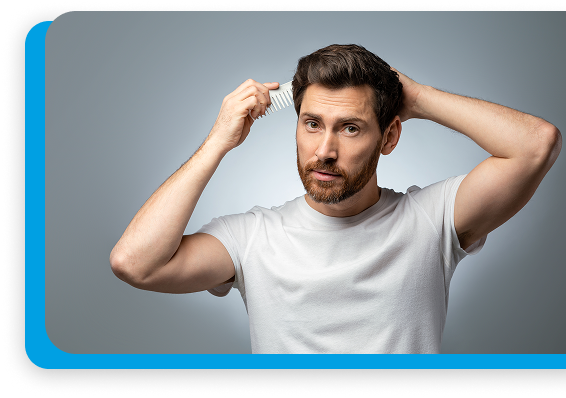



The Best Way to Stop Hair Loss is to first understand why it’s happening—whether it’s due to stress, genetics, hormonal imbalances, or poor scalp health. Then, take action with a plan that’s tailored just for you. Noticing extra strands in your brush or spotting bald spots can be alarming—but rest assured, you’re far from alone in this experience. Millions of men and women experience this—and early treatment really matters.
Dermatologist-recommended options like minoxidil, plus a diet rich in hair-nourishing nutrients such as biotin and zinc, can support hair regrowth. Natural treatments like scalp massage and rosemary oil can boost blood flow to the hair follicles, helping to trigger new hair growth. And for those seeking long-term results, advanced options like hair transplant surgeries—including FUE hair transplantations, MHI / DHI methods, or FUT (Follicular Unit Transplantation)—can deliver dramatic, lasting improvements.
No matter your type of hair loss, finding the best solution to hair loss depends on your lifestyle, hair goals, and expectations. With consistency and care, you can rebuild confidence and enjoy fuller, healthier hair.
Why Addressing Hair Loss Matters
Losing hair often affects not just your appearance, but also your self-esteem and emotional well-being in a significant way. For many people, seeing thinning hair or bald patches feels personal and frustrating. That’s why exploring the right solution for hair loss is about more than just appearance—it’s about feeling good in your skin again.
The good news? There are proven ways to fight back. From natural remedies to professional treatments by a hair transplant surgeon, identifying what works for you is the first step toward real results.
Understanding the Causes: What Type of Hair Loss Do You Have?
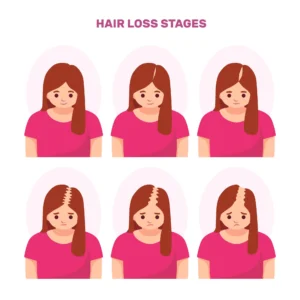
Hair loss, also known as alopecia, can result from a mix of genetic, hormonal, medical, or lifestyle factors. Knowing what’s behind your symptoms helps guide your treatment plan. Common types of hair loss include:
- Androgenetic Alopecia: Often hereditary and the most common form of hair loss in both men and women. This form usually appears as a receding hairline or thinning at the crown.
- Alopecia Areata: An autoimmune issue that causes sudden bald spots, usually in circular patches. Hair may grow back but can fall out again.
- Telogen Effluvium: A common condition, frequently brought on by hormonal changes, stress, or illness, leading to temporary hair shedding. It causes more hairs than usual to enter the resting phase at once.
- Traction Alopecia: Caused by tight hairstyles that damage the hair follicles over time. Think tight braids, buns, or ponytails.
Identifying your type of hair loss early helps you choose the most effective treatment for hair loss, whether that’s lifestyle changes or hair restoration techniques.
Healthy Hair Starts With Healthy Habits

Gentle Hair Care Practices
- Use Gentle Products: Sulfate-free shampoos are ideal for keeping your donor area and scalp calm and irritation-free during care routines. Harsh chemicals can lead to breakage and follicle damage.
- Minimize Heat Styling: Excess heat may damage both transplanted hair and natural strands, making gentle styling a smarter choice. Always use a protectant when styling.
- Detangle Carefully: A wide-tooth comb can prevent breakage and protect delicate strands, especially in recipient areas where hair is thinning.
Scalp & Follicle Support
- Scalp Massages: Regular massages with essential oils like peppermint or rosemary may stimulate hair regrowth by increasing blood flow to the scalp.
- Exfoliation: A clean scalp supports healthy hair transplant experience outcomes and allows follicles to thrive.
Natural Remedies & Hair Growth Boosters
Many people prefer to start with natural methods before turning to surgery or medications. Consider the following options that may offer support and improvement:
Powerful Plant-Based Oils
- Castor Oil: Rich in nutrients that support healthy hair follicle
- Aloe Vera: Soothes irritation and removes build-up that can block new growth.
Nutritional Boosts
- Eat for Your Hair: Add foods rich in vitamin D, iron, and omega-3s. They help feed your scalp and support strong strands.
- Consider Supplements: Biotin and collagen support hair regrowth, especially if you’re deficient.
Advanced Hair Loss Treatments That Work
If you’ve tried everything and still see no change, don’t worry—modern treatments offer powerful results.
Medications
- Minoxidil (Rogaine): Helps with early-stage hair thinning.
- Finasteride (Propecia): Slows down loss in men by blocking DHT, the hormone responsible for androgenetic alopecia.
Surgical Options for Long-Term Results
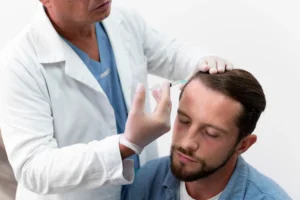
- Hair Transplant Procedure: Involves moving healthy hair grafts from the donor site (usually the back of the head) to the recipient area. Skilled transplant surgeons use two main types of hair transplant techniques:
- FUE (Follicular Unit Extraction): Hair is removed one follicle at a time. Less invasive and no visible scarring.
- FUT (Follicular Unit Transplantation): A strip of scalp is removed from the donor area and follicles are extracted from it.
- MHI & DHI Methods: Modern approaches that implant hair grafts more precisely, allowing for faster healing and more natural results.
These types of hair transplant procedures are safe, effective, and deliver long-term hair restoration for many people.
Laser Therapy and Beyond
Low-Level Laser Therapy (LLLT) can stimulate weak or dormant follicles and support new hair growth. It’s a great add-on to other treatments, and it works for both men and women.
Healthy Lifestyle = Healthy Hair

Your hair reflects your overall wellness. Making small changes can help your hair thrive:
- Manage Stress: Chronic tension is a known hair-loss trigger. Meditation, yoga, and good sleep can help.
- Stay Active: Movement improves circulation, including to your scalp. Aim for at least 30 minutes of daily physical activity.
When to See a Hair Transplant Surgeon
If natural methods and over-the-counter options aren’t helping, a hair transplant surgeon can help you explore personalized solutions. Professionals offer detailed evaluations to determine the best course of action, whether that includes hair transplant surgeries, medications, or combination therapies.
- Reputable Clinics: Look for board-certified transplant surgeons with experience in both MHI / DHI, FUT and FUE hair transplantations.
- Expect Realistic Hair Transplant Expectations: A good surgeon will discuss what to expect during your hair transplant procedure, how long recovery takes, and what kind of results to expect.
Final Thoughts
Hair loss isn’t the end of your hair journey—it’s the start of your hair transformation. With the right strategy, whether it’s hair transplant techniques, natural treatments, or lifestyle tweaks, you can find a solution to hair loss that works for you.
Take action early, explore your options, and if needed, consult a professional. Whether you want to prevent loss, regrow what you’ve lost, or take the leap into hair restoration, your next step can lead to healthier, stronger, and fuller hair—for good.