


Pregnancy Hair Loss: Causes, Remedies, and Treatment Options is a helpful guide for expectant and new mothers facing unexpected hair thinning or shedding during and after pregnancy. Many women are surprised when their hair, once thick and shiny during pregnancy, begins falling out postpartum. This happens mainly because of hormonal changes—especially the sudden drop in estrogen after childbirth—which shifts hair follicles into a resting phase, leading to noticeable shedding. Other causes include nutritional deficiencies, stress, and thyroid imbalances. The good news? Simple and effective solutions exist. From easy home remedies like using the best hair oil for women hair growth to adopting gentle hair care habits, many women see improvement naturally. In more stubborn cases, consulting a hair specialist or exploring medically approved hair loss treatment options can provide lasting results. Understanding the causes and remedies helps you regain confidence and enjoy healthy hair again during this special time.
What Is Pregnancy Hair Loss?
Pregnancy hair loss, also called telogen effluvium during or after pregnancy, refers to unexpected hair shedding or thinning. It often becomes most noticeable during the postpartum period, though some women experience hair changes during pregnancy itself. This can be alarming since most expect hair thickening from elevated estrogen levels, not shedding.
The Role of Hormones
Hormonal changes play a key role in pregnancy hair loss. During pregnancy, elevated estrogen levels extend the growth phase (anagen phase) of hair follicles, giving hair a thicker, shinier look. But after childbirth, estrogen levels fall sharply, pushing hair follicles into the resting phase (telogen phase). This sudden shift causes a large amount of hair to shed, often beginning around 2 to 4 months postpartum.
Who Is Affected?
Any woman can experience pregnancy hair loss, though severity and timing vary. Some notice significant thinning; others experience mild shedding. Genetics, nutritional status, and overall health influence how much hair loss occurs during and after pregnancy.
Common Causes of Pregnancy Hair Loss
1. Hormonal Imbalance
The biggest cause is the drastic hormonal changes during and after pregnancy. Estrogen, which supports hair growth during pregnancy, drops significantly after childbirth, increasing hair shedding.
2. Nutritional Deficiencies
Pregnancy demands more nutrients to support both mother and baby. Deficiencies in iron, vitamin D, zinc, and biotin weaken hair health and speed up hair fall. A balanced diet acts as a natural home remedy for hair fall, improving overall hair strength.
3. Stress and Fatigue
Emotional and physical stress from pregnancy and caring for a newborn can trigger telogen effluvium. This condition pushes hair follicles into rest prematurely, leading to excessive shedding.
4. Thyroid Dysfunction
Pregnancy may worsen or trigger thyroid imbalances, like postpartum thyroiditis, which can damage hair health and cause hair loss.
5. Underlying Medical Conditions
Conditions like anemia, polycystic ovary syndrome (PCOS), or autoimmune disorders may also cause hair loss during pregnancy or postpartum.
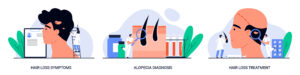
Symptoms of Pregnancy Hair Loss
- Noticeable thinning, especially around the crown and hairline
- Increased hair shedding while washing or brushing
- Widening part line due to thinning
- Loss of hair volume and texture changes
How to Know If It’s Excessive Hair Loss
Losing about 50–100 hairs a day is normal. But if you notice patches of thinning or visibly more hair shedding, it could indicate telogen effluvium or another issue that needs attention.
Effective Hair Treatment for Hair Loss During and After Pregnancy
1. Balanced Diet and Proper Nutrition
A diet rich in essential vitamins and minerals is key to healthy hair. Important nutrients include:
- Iron: Prevents anemia and supports oxygen flow to hair roots.
- Zinc: Helps hair grow and repair itself.
- Biotin (Vitamin B7): Supports keratin production and strengthens hair.
- Vitamin D: Important for healthy hair follicle cycles.
- Omega-3 Fatty Acids: Nourish hair and prevent dryness.
A well-balanced diet is a natural hair fall remedy that supports hair regrowth during and after pregnancy.
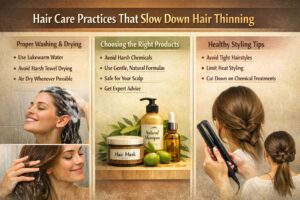
2. Gentle Hair Care Practices
- Avoid harsh shampoos and chemical treatments.
- Use mild, sulfate-free shampoos made for sensitive scalps and postpartum care.
- Limit heat styling to prevent hair damage.
- Use wide-tooth combs to reduce hair breakage.
3. Scalp Massage and Oils
Regular scalp massage boosts blood flow to hair follicles and promotes hair regrowth. The best hair oil for women hair growth, such as castor oil, coconut oil, or rosemary oil, works as a great hair treatment at home for hair fall. These oils nourish the scalp, strengthen roots, and improve hair thickness naturally.
4. Stress Management
Practicing yoga, meditation, and deep breathing helps reduce stress, which plays a big role in hair loss how to stop. Managing stress is key to healthier hair.
5. Proper Hydration
Drinking enough water every day keeps the scalp hydrated, prevents dryness, and supports overall health, which is essential for preventing hair fall.
Hair Loss Treatment Options
When home remedies aren’t enough, a hair loss treatment plan guided by a professional becomes important.
1. Topical Minoxidil
Minoxidil helps with hair regrowth but is usually not recommended during pregnancy or breastfeeding. It may be used postpartum under a doctor’s supervision.
2. Iron Supplements
If you have iron-deficiency anemia, your doctor may suggest iron supplements to restore healthy iron levels and improve hair regrowth.
3. Thyroid Management
Treating thyroid imbalances medically can stabilize hormones and improve hair condition.
4. Professional Hair Oils and Serums
Clinically tested hair regrowth serums, made for postpartum women, complement home remedies and speed up hair regrowth.
5. Hair Transplant Surgery
Hair transplant surgeries like follicular unit extraction (FUE) and follicular unit transplantation (FUT) offer permanent solutions but are recommended after breastfeeding and hormone stabilization, under a qualified hair transplant surgeon’s guidance.
Myths and Misconceptions About Pregnancy Hair Loss
- Myth: Pregnancy causes permanent hair loss.
Fact: Pregnancy-related hair loss is usually temporary and reversible with proper care and treatment. - Myth: Washing hair frequently causes hair loss.
Fact: Gentle washing supports scalp health. Hair loss is mainly hormonal, not hygiene-related. - Myth: Genetics is the only cause of hair loss.
Fact: Hormones, nutrition, and stress are major causes during pregnancy.
Preventive Measures to Reduce Hair Loss During Pregnancy
- Maintain a balanced diet full of fruits, vegetables, lean proteins, and healthy fats.
- Stay well-hydrated.
- Use gentle, pregnancy-safe hair care products.
- Avoid tight hairstyles that strain hair roots.
- Get enough sleep and manage stress.
- Discuss prenatal vitamins with your doctor to cover nutrient gaps.
When to See a Specialist
See a dermatologist or trichologist if:
- Hair shedding continues beyond 6 months postpartum.
- Bald spots or severe thinning appear.
- The scalp shows redness, irritation, or scaling.
- Nutritional deficiencies are suspected.
A specialist offers an accurate diagnosis and a tailored hair loss treatment plan, including tests for hormones, iron, and thyroid function.
Role of hairsncares.com in Hair Loss Treatment
hairsncares.com is a digital healthcare platform specializing in personalized hair loss treatment solutions. It offers a seamless online experience where users can:
- Take a hair test online to assess hair loss patterns and contributing factors.
- Consult with certified dermatologists remotely.
- Receive a comprehensive prescription, diagnosis report, and management plan.
- Have all recommended medicines or treatments auto-added to their online cart for convenient purchase.
- Gain access to diet, stress, and lifestyle advice.
- Work with a dedicated hair coach to track and optimize treatment progress over time.
Combining medical expertise with smart technology, hairsncares.com delivers end-to-end hair care management—accessible, affordable, and tailored for every individual.
Conclusion: Managing Pregnancy Hair Loss with Confidence
Pregnancy hair loss can feel overwhelming, but knowing its causes and solutions makes a big difference. Whether through balanced nutrition, gentle hair care, stress management, or professional hair loss treatment, effective options are available. For a personalized hair loss diagnosis and treatment plan, visit hairsncares.com today. Take a simple online hair test and start your journey toward healthier, fuller hair with expert guidance designed for your unique needs.