


Lack of Sleep and Hair Loss is a common but often overlooked problem affecting both men and women. When your body doesn’t get enough restful sleep, hormonal imbalances and increased stress can push hair follicles into the resting phase, causing excessive shedding and slower hair regrowth. This issue is especially relevant for those experiencing unexplained thinning, hair breakage, or a receding hairline alongside poor sleep habits. Understanding this connection allows you to take proactive steps—like improving sleep hygiene, managing stress, and following a gentle hair care routine—to protect your hair and encourage natural growth. Using hair loss treatment, hair fall remedy, and hair treatment for hair loss can further improve results. Whether you are dealing with lifestyle stress, shift work, or sleep deprivation, recognizing the link between sleep and hair health is crucial for achieving stronger, healthier hair. Prioritizing rest revitalizes your body, mind, and hair.
Understanding the Role of Sleep in Hair Health
Hair growth is a complex process influenced by genetics, hormones, and overall health. Each hair follicle goes through three main phases:
- Anagen (Growth Phase) – The active phase when hair grows steadily, lasting 2 to 7 years depending on genetics.
- Catagen (Transition Phase) – A brief 2-3 week period when hair growth slows, and follicles shrink.
- Telogen (Resting Phase) – Hair falls out, and follicles rest for a few months before starting a new growth cycle.
Quality sleep ensures proper regulation of hormones like cortisol, melatonin, and growth hormone, all essential for hair regrowth. Lack of sleep disrupts these balances, contributing to hair fall and delayed recovery.
How Sleep Deprivation Triggers Hair Loss
Chronic lack of sleep impacts hair health in several ways:
- Hormonal Imbalance
Sleep helps control cortisol, the stress hormone. Persistent sleep deprivation elevates cortisol, triggering stress-induced hair loss, also known as telogen effluvium. High cortisol pushes more hair follicles into the resting phase, leading to noticeable shedding and thinning.
Additionally, growth hormone (GH), which promotes tissue repair and hair regrowth, is released mainly during deep sleep. Poor sleep reduces GH production, limiting the body’s ability to regenerate hair follicles.
- Increased Inflammation
Sleep deprivation increases inflammation, weakening hair follicles and shortening the anagen phase. Inflamed scalp tissues may worsen hair fall and slow hair treatment at home for hair fall efforts.
- Nutrient Deficiency
Insufficient sleep can indirectly cause nutrient deficiencies. Poor sleep affects appetite and digestion, leading to low levels of essential vitamins and minerals like zinc, iron, biotin, and vitamin D—nutrients vital for hair loss treatment and hair strength.
- Oxidative Stress
Lack of sleep raises oxidative stress in the body. Free radicals damage cells in hair follicles, hindering their ability to produce strong, healthy hair. Over time, this results in hair thinning and breakage.
- Psychological Stress
Sleep deprivation often increases anxiety and emotional stress, known triggers for hair loss conditions like alopecia areata. Stress can also worsen pattern hair loss, highlighting the need for hair fall remedy interventions.
Signs Your Hair Loss May Be Linked to Lack of Sleep
Hair loss due to poor sleep may show up subtly. Look for:
- Increased shedding while brushing or washing hair
- Noticeable thinning at the crown or hairline
- Brittle, dry hair that breaks easily
- Slower hair regrowth after shedding
- Scalp sensitivity or mild inflammation
If these symptoms appear alongside sleep issues, sleep deprivation could be contributing to hair fall.
Preventing Hair Loss Through Better Sleep
Hair loss caused by sleep deprivation can often be managed by improving sleep habits and overall health:
- Prioritize 7–9 Hours of Sleep
Aim for 7–9 hours of quality sleep nightly. A consistent bedtime and wake-up schedule balances hormones and supports hair follicle function.
- Create a Sleep-Friendly Environment
- Keep your bedroom dark, cool, and quiet.
- Avoid screens 30–60 minutes before bed.
- Use comfortable bedding and pillows.
- Manage Stress
Lower cortisol levels to support hair regrowth:
- Try meditation or deep breathing exercises
- Practice yoga or light stretching before sleep
- Journal to ease mental stress
- Maintain a Balanced Diet
A nutrient-rich diet boosts hair health and aids hair treatment for hair loss:
- Protein – Keratin builds hair structure
- Iron & Zinc – Strengthen follicles and prevent thinning
- Vitamin D & Biotin – Promote healthy follicle growth
- Omega-3 Fatty Acids – Support scalp health
- Avoid Stimulants and Alcohol
Caffeine and alcohol disrupt sleep. Limiting them improves sleep quality and indirectly supports hair loss how to stop efforts.
- Gentle Hair Care
Proper hair care supports new growth and enhances home remedy for hair fall:
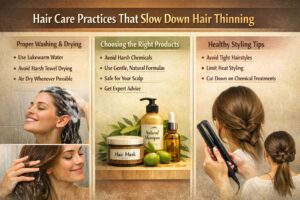
- Avoid harsh chemicals and excessive heat styling
- Massage the scalp regularly to improve blood flow
- Use natural oils like coconut, argan, or castor for the best hair oil for men hair growth and best hair oil for women hair growth
Additional Treatments for Hair Regrowth
If hair loss continues despite lifestyle changes, medical treatments can help:
- Minoxidil – Topical solution to stimulate hair regrowth
- Finasteride – Prescription for male pattern hair loss
- Hair Transplantation – Consult a hair transplant surgeon for advanced hair restoration
- Platelet-Rich Plasma (PRP) Therapy – Uses your own blood to boost follicle growth
Combining these with healthy sleep and hair routines strengthens results.
Lifestyle Habits for Healthy Hair and Sleep
A holistic approach enhances both sleep and hair health:
- Exercise regularly – Improves circulation and hormone balance
- Stay hydrated – Prevents brittle hair and supports follicle function
- Limit smoking – Nicotine reduces blood flow to hair follicles
- Mindful hair care – Avoid tight hairstyles, chemical overuse, and trim split ends regularly
Conclusion
The link between lack of sleep and hair loss is real but often ignored. Sleep deprivation triggers hormonal imbalance, oxidative stress, and inflammation, weakening hair follicles and slowing hair regrowth. Following proper sleep hygiene, managing stress, maintaining nutrition, and using hair loss treatment, hair fall remedy, and hair treatment at home for hair fall can prevent and even reverse damage.
Persistent hair loss should be evaluated by a hair transplant surgeon or trichologist for advanced hair regrowth solutions. Combining medical interventions with healthy sleep ensures your hair remains strong, thick, and resilient.
For a personalized approach, hairsncares.com offers a comprehensive digital healthcare solution for hair loss:
- Take a hair test online to assess hair loss patterns and contributing factors
- Consult with certified dermatologists remotely
- Receive a detailed prescription, diagnosis report, and management plan
- Have recommended medicines or treatments auto-added to your online cart for convenience
- Access diet, stress, and lifestyle guidance
- Work with a dedicated hair coach to track and optimize progress over time
Combining medical expertise with smart technology, hairsncares.com delivers end-to-end hair regrowth management—accessible, affordable, and tailored for every individual. By prioritizing sleep, reducing stress, and using the right treatments, you can protect and restore your crowning glory. Healthy hair starts from within, and restful sleep is the first step toward visible results.