


How to Check Hair Health is about understanding the real condition of your hair — not just how it looks in the mirror. If you often wonder whether your hair is strong, balanced, or showing early signs of damage, this guide is made for you. Checking your hair’s health means looking at its shine, texture, strength, scalp condition, and even how much hair you shed daily. It helps you spot dryness, breakage, or thinning before they become serious issues.
You can easily do this at home with simple methods like the water test for porosity or the elasticity test for strength. Whether you’re starting a hair loss treatment or trying a home remedy for hair fall, knowing your hair’s health gives you the right direction. It’s an empowering first step toward stronger, shinier, and more resilient hair — because healthy hair begins with awareness.
- Why It’s Important to Check Hair Health
Your hair is often called your “crowning glory,” and it’s true — it reflects not only your beauty but also your overall well-being. However, many people overlook one key habit — regularly checking their hair’s health. Just like skin or nails, your hair can reveal a lot about your diet, stress levels, and internal health.
Healthy hair is more than shine and smoothness — it shows that your hair follicles and scalp are functioning properly.
Checking your hair’s health helps you:
- Identify early signs of hair loss or thinning.
- See if your hair care routine or hair treatment for hair loss is effective.
- Detect scalp problems like dandruff, dryness, or oil imbalance.
- Choose the right hair fall remedy or hair loss treatment for your needs.
By simply observing your hair’s texture, strength, and scalp condition, you can tell whether it’s thriving or needs extra care.
- Simple Ways to Check Hair Health at Home
You don’t need salon tools or expensive equipment to understand your hair’s condition. Try these simple hair treatments at home for hair fall checks:
- a) The Pull Test (Checking Hair Fall)
Take a small section of your hair (around 30–40 strands) and gently pull it.
If you lose more than 5–8 strands, it may signal excessive hair fall.
Frequent shedding can happen due to stress, poor diet, or hormonal imbalance. If this continues, consult a dermatologist or hair transplant surgeon for advice on hair loss how to stop and long-term solutions. - b) The Water Test (Porosity Test)
This easy test helps you understand how well your hair holds moisture. Drop a few clean, dry strands into a glass of water.
- If they float, your hair has low porosity — it resists moisture.
- If they sink slowly, your hair is healthy and balanced.
- If they sink quickly, your hair has high porosity, which may indicate damage.
High porosity often comes from heat styling or chemical use. A hair treatment for hair loss with nourishing oils and proteins helps restore moisture balance and prevent breakage.
- c) The Elasticity Test
Elasticity shows how strong and flexible your hair is. Take a wet strand and stretch it gently:
- If it stretches and returns to its shape, your hair is strong and healthy.
- If it snaps easily, it’s weak and brittle — often due to protein loss.
To strengthen weak hair, try regular hair treatment at home for hair fall using coconut oil, castor oil, or onion oil. These oils support hair regrowth and repair damaged strands.
- d) The Shine and Texture Check
Healthy hair naturally reflects light because its cuticles lie flat.
If your hair looks dull, rough, or frizzy, it may lack moisture or nutrients.
Using the best hair oil for men hair growth or best hair oil for women hair growth restores shine, smoothness, and root strength while encouraging new hair growth. - e) The Scalp Health Test
Healthy hair starts with a healthy scalp.
Check your scalp under good lighting — it should be clean, hydrated, and free from flakes or redness.
If you notice itching, dandruff, or excess oil, it could mean buildup or imbalance. Keeping your scalp clean and nourished is key for new hair growth and preventing future hair loss. - Signs of Healthy Hair
Here are clear signs your hair is healthy:
- Smooth, shiny strands that reflect light.
- Strong hair that doesn’t break easily.
- A scalp that’s balanced and free of flakes.
- Minimal daily shedding (50–100 strands is normal).
- Visible hair regrowth in thinning areas.
When your hair feels soft, manageable, and resilient, it shows your hair follicles are nourished and your routine is working.
- Signs of Unhealthy Hair
Spotting early signs of unhealthy hair helps you act fast. Watch for:
- Excessive hair fall or thinning spots.
- Split ends or coarse, frizzy texture.
- Dullness or loss of natural shine.
- Scalp irritation or oil imbalance.
- Dry, brittle strands even after conditioning.
If you notice several of these, rethink your hair loss treatment or talk to a specialist for a professional solution for hair loss.
- Factors That Affect Hair Health
- a) Diet and Nutrition
Hair is made of keratin, a protein that needs nutrients to stay strong.
Lack of vitamins like biotin, zinc, and iron can cause shedding.
Add protein-rich foods, leafy greens, nuts, and healthy fats to your meals for better hair regrowth and strength. - b) Stress and Sleep
Stress disrupts your hair growth cycle, causing temporary hair loss.
Lack of sleep affects hormone balance and scalp condition.
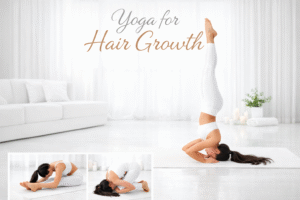
Try yoga, meditation, and proper rest to improve natural hair treatment for hair loss and promote healthy hair growth. - c) Hair Care Habits
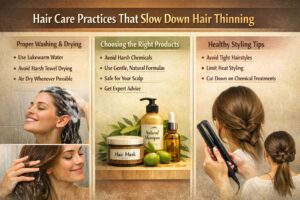
Overuse of styling tools, harsh shampoos, or tight hairstyles can damage follicles.
To protect your hair:
- Use sulfate-free shampoos.
- Apply oils twice a week.
- Avoid chemical treatments.
- Trim regularly to prevent split ends.
- d) Hormonal and Genetic Factors
Conditions like androgenetic alopecia (pattern baldness) or hormonal imbalance can weaken follicles.
In these cases, advanced methods like Modified Hair Implantation (MHI)/ DHI, follicular unit extraction (FUE) or follicular unit transplantation (FUT) offer long-term hair restoration - Professional Ways to Check Hair Health
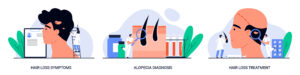
Professionals can analyze your hair in detail using:
- Scalp Analysis: Digital tools to examine scalp and follicle condition.
- Trichoscopy: A test that measures density, thickness, and root health.
- Blood Tests: To check for nutritional or hormonal causes of hair fall.
Experienced hair transplant surgeons also assess the donor area and recipient site before hair transplant procedures, ensuring healthy new hair growth.
As digital healthcare advances, online hair analysis tools now make professional diagnosis even more accessible.
hairsncares.com is a digital healthcare platform specializing in personalized hair loss diagnosis and treatment solutions. It offers a seamless online experience where users can:
- Take a hair test online to assess hair loss patterns and contributing factors,
- Consult with certified dermatologists remotely,
- Receive a comprehensive prescription, diagnosis report, and management plan,
- Have all recommended medicines or treatments auto-added to their online cart for convenient purchase,
- Gain access to diet, stress, and lifestyle advice, and
- Work with a dedicated hair coach to track and optimize treatment progress over time.
Combining medical expertise with smart technology, hairsncares.com delivers end-to-end hair care management — accessible, affordable, and tailored for every individual.
- How to Improve Hair Health Naturally
Once you know your hair’s condition, improving it is simple. Try these effective hair fall remedies and home remedies for hair fall:
- a) Use Nourishing Oils
Oil massages improve blood flow and strengthen roots. Some of the best hair oils for men and women hair growth include:
- Coconut oil
- Castor oil
- Bhringraj oil
- Onion oil
- Rosemary oil
These nourish the scalp, promote hair regrowth, and make excellent hair treatment at home for hair fall.
- b) Try Natural Hair Masks
DIY masks can restore damaged hair naturally:
- Aloe vera + Coconut oil adds hydration and shine.
- Egg + Olive oil strengthens weak strands.
- Fenugreek (Methi) paste controls dandruff and encourages new hair growth.
- c) Stay Hydrated and Eat Well
Drink plenty of water and eat foods rich in omega-3 fats, such as fish, walnuts, and chia seeds. Proper hydration is vital for scalp health and long-lasting hair regrowth. - d) Massage Your Scalp
A 5-minute daily scalp massage increases blood circulation, reduces stress, and supports hair regrowth. - e) Avoid Overwashing
Washing too often strips your hair of natural oils, causing dryness. Wash 2–3 times a week with a mild, nourishing shampoo to maintain balance. - When to See a Professional
If natural care and home remedies for hair fall don’t bring results, it’s time to consult an expert.
A hair transplant surgeon or trichologist can identify your type of hair loss and recommend advanced hair restoration options such as:
- FUE hair transplantations
- FUT hair transplant procedures
- DHI or MHI methods
These ensure long-lasting hair regrowth, a natural look, and restored confidence.
- Final Thoughts
Checking your hair health regularly is the easiest way to maintain strong, shiny, and healthy hair. By following simple home tests, maintaining scalp hygiene, and living a balanced lifestyle, you can prevent hair problems before they worsen.
Whether you face mild shedding or noticeable thinning, there’s always a hair loss treatment, hair fall remedy, or home remedy for hair fall that fits your needs. From hair treatment at home for hair fall to professional transplants, taking action today ensures beautiful, healthy hair for years to come.
For personalized diagnosis, expert guidance, and treatment plans crafted just for you, visit hairsncares.com — your trusted digital partner for long-term hair regrowth and confidence restoration.