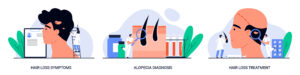
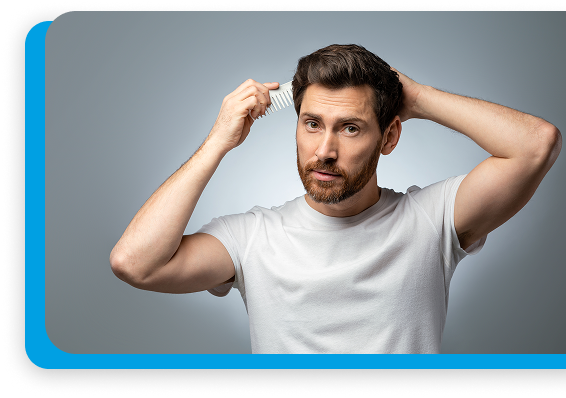



Hair loss has typically been assigned to men; however, millions of women in the world have experiences of thinning hair, bald spots, and excessive shedding. Unfortunately, those women often do not engage in conversation about it due to societal pressures, standards of beauty, and emotional distress about hair loss. It is time to change that narrative and have an open discussion.
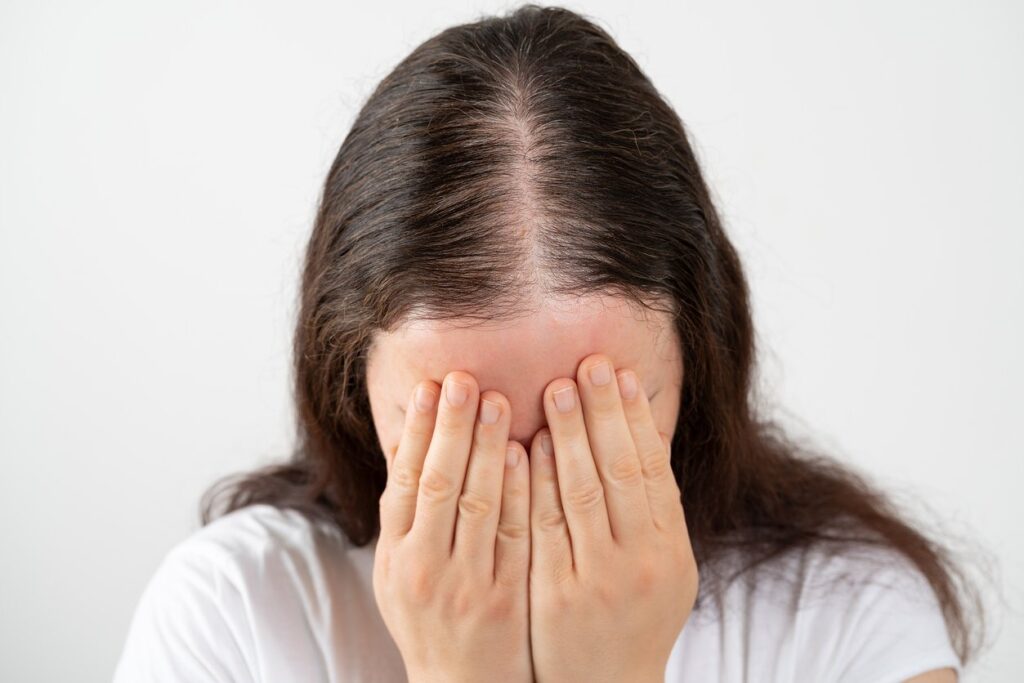
Reasons Women’s Hair Loss is Often Overlooked
As a collective, we seem to link femininity with long, thick, and healthy hair. This expectation makes women experiencing hair loss feel judged, embarrassed, or fearful of being misunderstood. Rather than speaking up and seeking assistance, most women remain silent, assuming they are the only ones experiencing this hardship when in fact female hair loss is typically much more common than realized.Common Causes of Hair Loss in Women
Loss of hair can happen for several reasons. The first step to treatment is identifying the cause: Hormonal imbalance: Pregnancy, polycystic ovarian syndrome (PCOS), menopause, and thyroid issues can cause shedding that occurs quickly. Stress and Lifestyle: Stress, creating emotional urgency, sleep deprivation, drastic eating changes (diet), and/or poor nutrition can weaken hair roots. Genetics: Female pattern baldness (androgenetic alopecia) can be hereditary. Medical conditions: Autoimmunity, anemia, scalp infections, etc.—can cause hair loss. Chemical and Heat Damage: Frequent chemical processes such as colouring, straightening, and the use of harsh styling products can dampen hair follicle health. Emotional Effects: Hair loss doesn’t just have physical effects but also impacts identity and confidence. Women may face: Low self-confidence- Anxiety and/or withdrawal from social situations.
- Emotional stress or even depression.
- Fear of ageing and/or losing femininity.
How Women Can Take Charge
Every case is different—although there are some things that you can consider trying that may provide you with some control over the situation and perhaps even decrease further hair loss.1. Seek the Help of a Dermatologist or Trichologist
The right person will assist you in discovering whether your loss is hormonal, genetic, medical, etc.2. Eat a Nutritionally Dense Diet
A diet higher in iron, protein, zinc, omega-3 fatty acids, and biotin may cause growth in some cases.3. Use a Gentle Hair Care Routine
- Wear hair in coils rather than tight styles.
- Be careful with the use of heat-styling products.
- Use mild, sulphate-free shampoos.
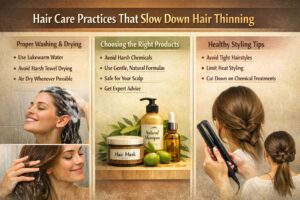
- Oil and/or have your scalp massaged to help maintain scalp health.