
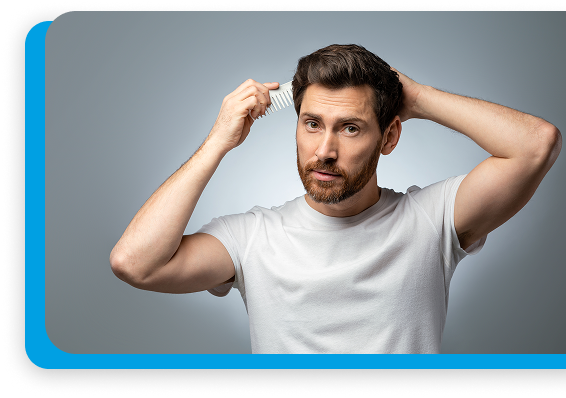



Hair Loss at Temples in Males: Causes, Treatments, and Long-Term Solutions is one of the most common concerns men face when their hairline starts to recede. Temple thinning usually begins in the late teens or twenties and creates the familiar M-shaped hairline many link to male pattern baldness.
This type of hair loss can feel worrying, but understanding the causes—such as genetics, hormonal changes, stress, poor diet, or hairstyling habits—helps men take early action. Effective options range from medical hair loss treatments like Minoxidil and Finasteride to simple home remedies for hair fall and lifestyle changes that strengthen hair naturally. For advanced cases, procedures such as FUE and FUT hair transplants offer permanent, natural-looking solutions.
Catching the problem early improves the chances of hair regrowth and protects long-term confidence. If you notice temple thinning, exploring the right hair fall remedies and hair treatment for hair loss can make a big difference.
Understanding Temple Hair Loss in Men
Hair is more than strands on your head—it’s a big part of your confidence and identity. For many men, the first visible signs of balding start at the temples, creating a receding pattern that can feel discouraging.
Temple hair loss in males is often an early sign of androgenetic alopecia (male pattern baldness). But lifestyle, stress, genetics, and poor hair care can also play a role.
Signs of temple hair loss:
- Hairline moving back at the sides of the forehead
- More scalp visible at the temples than on the crown
- Hair becoming thinner, finer, and weaker in the temple area
- Styling becoming harder due to uneven hairline
This happens when hair follicles shrink under the effect of dihydrotestosterone (DHT), a hormone linked to testosterone. Over time, shrunken follicles stop producing new strands.
Causes of Hair Loss at Temples in Males
While genetics is the main cause, several factors can worsen temple hair loss:
- Genetic Predisposition
If baldness runs in your family, your hair follicles may be more sensitive to DHT, making hair loss at temples more likely.
- Hormonal Factors
High DHT levels shorten the hair growth cycle, which is why men in their teens or twenties often notice early thinning.
- Stress and Lifestyle Habits
Stress, poor sleep, smoking, and unhealthy eating can trigger hair fall. Stress hormones disrupt the natural cycle, leading to temporary shedding.
- Nutritional Deficiencies
Low protein, iron, vitamin D, or zinc weakens follicles and speeds up temple thinning.
- Hairstyling Practices
Tight hairstyles like braids, man buns, or ponytails can pull on the roots, causing traction alopecia at the temples.
- Medical Conditions
Thyroid problems, scalp infections, or autoimmune disorders like alopecia areata can also create bald spots.
Hair Loss at Temples vs. a Normal Maturing Hairline
Not all hairline changes mean baldness. It’s important to tell the difference:
- A maturing hairline moves back slightly (about 1 cm) and then stabilizes—this is normal with age.
- Temple hair loss, however, keeps progressing and creates a sharp M-shaped hairline.
If unsure, visit a dermatologist or hair transplant surgeon for a proper check-up.
Can Temple Hair Loss Be Stopped?
Yes, but timing is everything. Early hair loss treatment can slow thinning or even reverse it if follicles are still active. Once they’re permanently inactive, surgical options may be needed.
Hair Loss Treatments for Temples
There are many solutions, from medical treatments to natural approaches and surgery.
- Medical Hair Loss Treatments
- a) Minoxidil (Topical Solution)
- Boosts blood flow to follicles
- Encourages new hair growth at temples
- Available without prescription
- Works best with consistent use
- b) Finasteride (Oral Medication)
- Lowers DHT levels to protect follicles
- Slows down loss and supports hair regrowth
- Requires a doctor’s prescription
- c) Low-Level Laser Therapy (LLLT)
- Non-invasive light therapy
- Stimulates weak follicles
- Often combined with Minoxidil or Finasteride
- Hair Treatment at Home for Hair Fall
While natural remedies can’t cure male pattern baldness, they help strengthen hair and reduce shedding. Popular options include:
- Onion juice: High in sulfur, improves scalp circulation
- Aloe vera gel: Calms the scalp and reduces dandruff
- Coconut oil massage: Hydrates scalp and boosts blood flow
- Rosemary oil: A proven hair fall remedy for regrowth
- Fenugreek seeds: Strengthen roots and reduce shedding
These are simple, cost-effective home remedies for hair fall that support overall scalp health.
- Best Hair Oils for Men and Women
Regular oiling improves circulation and keeps follicles active in both the donor area and recipient area.
- The best hair oil for men hair growth includes castor oil, rosemary oil, and amla oil.
- The best hair oil for women hair growth often includes argan oil, jojoba oil, and coconut oil.
A gentle scalp massage with these oils is a natural way to support hair regrowth.
- Lifestyle and Diet Adjustments
Simple changes can work alongside other treatments:
- Eat protein-rich foods like eggs, fish, and nuts
- Add vitamin D, zinc, and biotin if deficient
- Cut back on alcohol and smoking
- Manage stress with yoga or meditation
- Get at least 7 hours of sleep daily
These habits don’t just slow hair loss—they also improve overall health.
Advanced Hair Loss Solutions: Hair Transplant at Temples
If temple hair follicles are no longer active, hair transplant surgeries provide permanent solutions.
Types of Hair Transplant Procedures
- FUT (Follicular Unit Transplantation)
- A strip of scalp is removed from the donor site
- Follicles are placed in the temple area
- Leaves a thin scar but provides many grafts
- FUE (Follicular Unit Extraction)
- Single hair grafts are taken from the donor area
- Less scarring and quicker recovery
- Ideal for precise temple restoration
- MHI & DHI Methods
- Advanced techniques using implanter pens
- Follicles are directly implanted into the recipient area
- Create natural-looking density and direction
Hair Transplant Expectations and Results
- Shedding of transplanted hair is normal at first
- New growth starts after 3–4 months
- Full results appear in 9–12 months
- Transplanted hair is permanent and resistant to DHT
A skilled surgeon ensures natural results with minimal scarring.
Long-Term Outlook for Men with Temple Hair Loss
- Starting early gives the best chance for hair regrowth
- Consistency with medications and hair treatments at home for hair fall is key
- If bald spots expand, FUE or DHI hair restoration works well
- Maintaining healthy habits and using the best hair oil for men hair growth supports lasting results
Final Thoughts and Digital Hair Care Solution
Hair loss at the temples is one of the first and most noticeable signs of balding in men. While it may feel discouraging, you have many options—from natural hair fall remedies and home treatments for hair fall to advanced hair transplant surgeries.
Choosing the right hair loss treatment depends on how early you act, your type of hair loss, and your long-term goals. With consistent care, expert guidance, and a personalized treatment plan, you can protect your hairline, restore confidence, and enjoy healthy, fuller hair again.
For a comprehensive, convenient, and personalized approach, hairsncares.com offers a digital healthcare platform specializing in hair loss diagnosis and treatment solutions. Users can:
- Take a hair test online to assess hair loss patterns and contributing factors
- Consult with certified dermatologists remotely
- Receive a complete prescription, diagnosis report, and management plan
- Have recommended medicines or treatments auto-added to their online cart
- Access diet, stress, and lifestyle advice
- Work with a dedicated hair coach to track and optimize hair regrowth progress
Combining medical expertise with smart technology, hairsncares.com delivers end-to-end hair care management—accessible, affordable, and tailored for every individual.