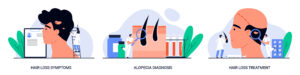



Anti Hair Fall Medicine: Complete Guide to Treatments, Remedies, and Regrowth is your go-to resource if you’re worried about thinning hair, sudden shedding, or bald spots. This guide breaks down how modern medicines like Finasteride and Minoxidil can slow hair loss, while also highlighting natural options, home remedies for hair fall, and nutritional supplements that strengthen roots.
It’s written for both men and women who want a simple, science-backed approach to healthier hair. Beyond medicines, you’ll also learn about advanced options like hair transplants and non-surgical treatments that provide long-lasting results. Whether you’re searching for a quick home remedy for hair fall or exploring professional hair loss treatment, this complete guide explains what works, what doesn’t, and how to make the right choice for lasting hair regrowth. Clear, practical, and human-focused—it’s designed to answer your real questions about hair fall remedies and the best treatments available today.
Why Hair Fall Happens and Why Medicines Help
Hair fall is one of the most common concerns worldwide. Seeing extra strands on your pillow, thinning at the crown, or bald patches can feel stressful. Thanks to medical research, there are now proven hair loss treatments that slow down shedding, encourage new hair growth, and boost confidence.
Before starting any hair treatment for hair loss, it helps to know why hair falls out.
Common Causes of Hair Fall
- Androgenetic Alopecia (Pattern Baldness): A hereditary condition affecting men and women.
- Hormonal Imbalances: Pregnancy, menopause, thyroid issues, or PCOS can trigger hair thinning.
- Stress and Lifestyle: Poor diet, lack of sleep, and high stress make shedding worse.
- Nutrient Deficiencies: Low iron, vitamin D, or biotin weaken hair follicles.
- Medications and Illness: Some drugs, chemotherapy, or illnesses cause temporary or permanent hair fall.
Most anti hair fall medicines target these root causes, especially when hair loss is related to hormones, genetics, or weak follicles.
Types of Anti Hair Fall Medicines
There’s no one-size-fits-all solution. Different medicines work differently—some block harmful hormones, some improve blood flow, while others strengthen hair roots. Here are the most common options:
- Finasteride (Propecia)
- What it is: An FDA-approved pill for male pattern baldness.
- How it works: Blocks the enzyme that produces DHT (the hormone that shrinks hair follicles).
- Effectiveness: Up to 80–90% of men see less hair fall, with visible hair regrowth in 6–12 months.
- Best for: Men with genetic hair loss.
- Limitations: Not safe for women, especially during pregnancy.
- Minoxidil (Rogaine)
- What it is: A topical solution or foam, easily available over-the-counter.
- How it works: Improves blood flow to the scalp, extends the hair growth cycle, and promotes regrowth.
- Effectiveness: Works for both men and women. Results usually show in 4–6 months.
- Best for: Early hair thinning, crown bald spots, and diffuse hair loss.
- Limitations: Must be used consistently. Stopping leads to renewed hair fall.
- Dutasteride
- What it is: A stronger version of Finasteride, often used off-label.
- How it works: Blocks both types of 5-alpha-reductase enzymes, lowering DHT levels.
- Effectiveness: More powerful than Finasteride, but not FDA-approved for hair loss.
- Best for: Men who don’t respond well to Finasteride.
- Anti-Androgen Medicines for Women
- Spironolactone: Blocks male hormones, often prescribed for women with PCOS-related hair loss.
- Oral Contraceptives: Birth control pills regulate hormones and reduce hair thinning.
- Nutritional Supplements
- Biotin: Strengthens strands and supports growth.
- Iron: Prevents shedding caused by anemia.
- Vitamin D & Zinc: Essential for healthy hair follicles.
- Ayurvedic & Herbal Medicines
- Bhringraj Oil: Called the “king of herbs” for hair regrowth.
- Amla (Indian Gooseberry): Rich in vitamin C, strengthens roots.
- Fenugreek Seeds: Popular hair fall remedy that reduces shedding naturally.
Prescription vs Over-the-Counter Options
- Prescription Medicines: Finasteride, Dutasteride, Spironolactone, and hormonal pills. Always taken under medical advice.
- Over-the-Counter Medicines: Minoxidil, biotin, herbal oils, and shampoos. Easier to access but results vary.
Treatments Beyond Medicines
Many people combine medicines with other hair loss treatments for better results:
- PRP Therapy: Uses your own blood plasma to stimulate hair follicles.
- Low-Level Laser Therapy (LLLT): Boosts scalp circulation and growth.
- Hair Transplant Surgery: Permanent solutions like FUE and FUT.
- MHI & DHI Methods: Modern techniques offering fuller, natural-looking hair.
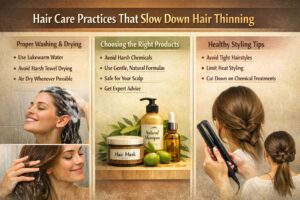
Hair Treatment at Home for Hair Fall
Pairing anti hair fall medicines with natural care makes results stronger. Try these home remedies for hair fall:
- Onion Juice: Rich in sulfur, supports regrowth.
- Coconut & Castor Oil: Nourish roots, reduce breakage. Consider the best hair oil for men hair growth and best hair oil for women hair growth for maximum results.
- Aloe Vera: Soothes scalp and boosts health.
- Green Tea Rinse: Antioxidants strengthen follicles.
These simple methods are excellent hair treatment at home for hair fall when used consistently.
Choosing the Right Anti Hair Fall Medicine
When picking the best solution, think about:
- Type of Hair Loss: Genetic, stress-related, or hormonal.
- Gender: Finasteride is for men, while Spironolactone helps women.
- Medical History: Check drug interactions.
- Lifestyle: Pills may be easier, while Minoxidil requires daily application.
For serious or long-term results, always consult a dermatologist or hair transplant surgeon.
Side Effects to Know
- Finasteride/Dutasteride: Rare sexual side effects.
- Minoxidil: Can cause scalp irritation or facial hair in women.
- Spironolactone: May cause dizziness or irregular periods.
- Supplements: Safe, but overdosing can cause health issues.
Long-Term Expectations
Be realistic:
- Medicines like Finasteride and Minoxidil can stop hair loss and support regrowth but must be continued.
- Results take 4–12 months to appear.
- Severe baldness may need hair transplant procedures for permanent coverage.
Digital Healthcare Support for Hair Loss
In today’s digital era, accessing reliable and personalized hair loss treatment has become easier. Platforms like hairsncares.com specialize in customized hair care solutions, offering a complete online healthcare experience.
At hairsncares.com, you can:
- Take a hair test online to assess hair loss patterns and contributing factors,
- Consult certified dermatologists remotely,
- Receive a detailed prescription, diagnosis report, and management plan,
- Have all recommended medicines or treatments auto-added to your online cart for easy purchase,
- Gain access to tailored advice on diet, stress, and lifestyle, and
- Work with a dedicated hair coach to track and optimize progress over time.
By combining medical expertise with smart technology, hairsncares.com makes hair fall remedies and treatments accessible, affordable, and tailored to every individual’s needs.
Conclusion
Hair fall doesn’t have to be permanent. With the right anti hair fall medicine—from Finasteride and Minoxidil to Spironolactone or natural options—you can reduce shedding, boost confidence, and enjoy lasting hair regrowth. Pairing medical care with a healthy diet, stress control, and hair treatment at home for hair fall gives the best long-term results.
For a seamless, guided experience, visit hairsncares.com. From online diagnosis to personalized prescriptions and continuous coaching, it provides everything you need to choose the safest and most effective hair loss treatment for your unique needs—all in one place.