
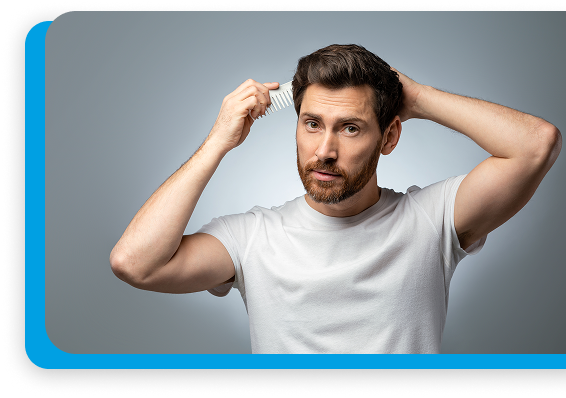



Managing oily scalp and thinning hair can feel like a double struggle—but it’s more common than you’d think. It often starts with overactive oil glands clogging the hair follicle, leading to scalp buildup and eventually contributing to hair loss. If your roots get greasy just hours after washing and your hair seems to be thinning, you’re not alone. This concern affects men and women, especially during hormonal shifts or stress.
The good news? You can take steps to manage it. Choose gentle, clarifying shampoos made for oily scalps—they clean without stripping your strands. Add scalp exfoliation to remove buildup and boost circulation, which supports new hair growth.
People searching for a solution for hair loss and oily scalps often benefit from lightweight haircare, lifestyle changes, and even medical options. A healthy scalp supports stronger hair regrowth. And sometimes, the right hair transplant surgeon can help you explore advanced options like follicular unit extraction (FUE) or MHI & DHI methods, especially if you’ve already tried everything else.
What Causes an Oily Scalp?
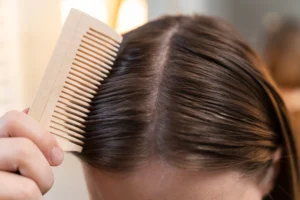
An oily scalp usually results from overactive sebaceous glands producing too much sebum. While sebum keeps your hair moisturized, excess amounts lead to buildup. Triggers include hormonal changes (like puberty, pregnancy, or menopause), stress, poor diet, and even genetics—a key factor behind androgenetic alopecia, a common type of hair loss.
Pollution can make things worse. Dirt and grime mix with scalp oils, making your hair look greasy. Harsh shampoos may strip your scalp, forcing it to produce even more oil. Learning these triggers helps you make better choices and even prepare for hair transplant surgeries, if needed.
Can an Oily Scalp Cause Hair Thinning?
Yes, oily scalps can lead to hair thinning. Too much oil clogs the hair follicles, causing inflammation and slowing down hair regrowth. Your strands may become weak, fall out easily, and look limp. The oil can also attract dirt and dandruff, worsening irritation.
An oily scalp can foster bacteria or yeast, which leads to conditions like seborrheic dermatitis—another thinning trigger. Constant buildup makes it harder for your hair to absorb nutrients, leaving it brittle and breakable. Treating the oil is an essential first step to healthier, fuller hair.
Other Causes of Hair Thinning
Beyond oiliness, several things can lead to thinning. These include androgenetic alopecia, aging, stress, poor nutrition, and medical issues like thyroid problems or alopecia areata. Knowing the exact cause helps you choose the best treatment for hair loss.
Sometimes hair thinning results from telogen effluvium—stress-related hair shedding. In such cases, a long-term, personalized plan might involve professional treatments or even types of hair transplant procedures like Modified Hair Implantation (MHI / DHI), FUT (follicular unit transplantation) or FUE hair transplantations.
Remedies for Oily Scalp and Thinning Hair

Hair Loss Prevention
Preventing hair loss starts with keeping your scalp clean. Use mild shampoos for oily scalps that contain ingredients like salicylic acid or tea tree oil—they reduce oil and calm irritation.
Add weekly scalp exfoliation to your routine to remove dead cells and promote nutrient absorption. A healthy diet rich in iron, biotin, and omega-3s supports both your scalp and your hair.
Oily Scalp Remedies
- Shampoo often: Wash daily or every other day with lukewarm water.
- Clarify once a week: Use a clarifying shampoo to remove residue.
- Avoid scalp conditioner: Apply it only to the ends.
- Apple cider vinegar rinse: It balances scalp pH and reduces oiliness.
These tips help keep your donor site and recipient area in top shape if you’re considering a hair transplant procedure in the future.
Thinning Hair Solutions
If your hair is thinning:
- Massage your scalp regularly to boost circulation and activate hair follicles.
- Eat a nutrient-rich diet with protein, iron, and vitamins.
- Avoid heat tools and air dry when possible.
- Seek expert help: A hair transplant surgeon or trichologist can offer targeted solutions like hair transplant surgeries or FUE techniques.
They can also discuss advanced options like types of hair transplant techniques, including MHI, DHI, or FUT, tailored to your type of hair loss.
Best Practices for Hair Care
Choosing the Right Shampoo
Pick shampoos labeled “lightweight” or “volumizing” to reduce oil and add body. Look for:
- Salicylic acid: Helps remove oil and flakes.
- Tea tree oil: Fights microbes, soothes the scalp.
- Niacinamide: Strengthens the hair follicle and improves scalp health.
Scalp Oil Treatment
Use jojoba or grapeseed oil—they mimic your natural oils without clogging pores. Massage into the scalp before washing. This supports a balanced scalp and nourishes your hair grafts if you’ve had a hair restoration treatment.
Essential oils like lavender or eucalyptus add soothing, healing effects, supporting your hair transplant experience with a relaxed routine.
Tips for Managing Oily Hair
- Hands off: Avoid touching your hair to keep oil away.
- Dry shampoo: Helps control oil and adds volume between washes.
- Smart styling: Loose buns or braids promote airflow and minimize oil buildup.
These tips also reduce the risk of oil impacting the transplanted hair and ensure better long-term care post hair transplant procedure.
Conclusion
Managing oily scalp and thinning hair calls for a smart, balanced routine. With consistent care, proper products, and lifestyle tweaks, you can build a healthy scalp that supports new hair growth.
If lifestyle changes aren’t enough, talk to transplant surgeons about advanced solutions like FUE, FUT, MHI, or DHI. Whether you’re looking to fix bald spots or reverse hair loss, the right plan makes all the difference.
In this journey toward hair restoration, be patient. Results won’t come overnight—but with time, the right support, and possibly the right type of hair transplant, you can regain your hair’s health and your confidence. Real, lasting change is possible when you treat the root of the problem.