


Understanding hair fall during menopause means looking closely at how hormonal changes, especially declining estrogen and progesterone, affect hair growth. For many women, menopause doesn’t just bring hot flashes and mood swings—it often brings thinning hair too. This isn’t only about appearance. It can affect confidence, self-image, and overall well-being.
When hormones shift, hair follicles may shrink, causing slower growth and more shedding. Stress, genetics, and poor nutrition can make the problem worse. The good news? Knowing what’s happening puts you in control. With the right hair loss treatment—from proper nutrition and scalp care to stress management, medical therapies, and even hair treatment at home for hair fall—you can support healthier, stronger hair.
If you’ve ever searched “menopause hair loss solutions” or wondered, hair loss how to stop?, you’re not alone. Millions of women go through it. Understanding the root cause is the first step to managing hair health during this transition. With the right approach, your hair can be cared for, nurtured, and even supported for hair regrowth.
What Causes Hair Fall During Menopause?
Hair fall during menopause happens for many reasons, but hormones are the main factor. Other things like stress, diet, and genetics also play a role. Knowing these causes can help women take smart steps toward effective hair treatment for hair loss.
Hormonal Changes
The biggest reason for hair fall is hormonal imbalance. Falling estrogen and progesterone levels slow hair growth and make strands thinner. Normally, estrogen keeps hair in its growing phase. When it drops, hair enters the resting phase too soon, leading to shedding.
Progesterone usually balances the effects of androgens (male hormones). When progesterone falls, androgens dominate, making hair thinner and sometimes causing patterns of loss similar to male baldness.
Androgen Dominance
As estrogen declines, androgens become stronger. These hormones can shrink hair follicles, making strands weaker, thinner, and more brittle. For some women, this results in noticeable thinning at the crown or front scalp.
Genetics also play a role here. If female-pattern hair loss runs in your family, menopause may trigger it more strongly.
Stress and Lifestyle Factors
Menopause can be stressful, and stress itself is a trigger for shedding. Poor diet, smoking, or lack of exercise only make things worse. Stress can push more hair into the resting phase, causing sudden shedding.
Nutritional deficiencies—especially low iron, zinc, or vitamins—can weaken hair. Smoking also limits oxygen supply to follicles, speeding up hair fall. Lifestyle changes and stress management are powerful natural hair fall remedies.
Does Hair Fall Out During Menopause?
Yes, it does. But how much hair a woman loses varies. Some only notice mild thinning, while others experience significant shedding.
Genetics, diet, health, and stress levels all affect how severe it is. Recognizing this as a common part of menopause can reduce anxiety. If shedding feels excessive, speaking with a doctor helps in finding the right hair loss treatment.
Menopause Hair Care and Remedies
Managing hair fall during menopause requires a mix of diet, gentle care, lifestyle changes, and in some cases, medical treatment.
Balanced Diet
Eating a nutrient-rich diet is one of the best home remedies for hair fall. Omega-3s (in fish, flaxseeds, walnuts), vitamins A, C, and E, plus iron and zinc, all strengthen hair. Vitamin C boosts collagen, while iron ensures oxygen flow to follicles—both essential for hair regrowth.
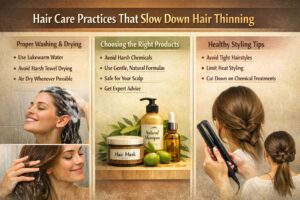
Gentle Hair Care Practices
Simple daily care can make a big difference:
- Use mild shampoos: Go for sulfate-free shampoos that protect natural oils.
- Avoid heat styling: Heat weakens strands. If unavoidable, always use a protectant.
- Regular trims: Prevents split ends from spreading and causing breakage.
Using a wide-toothed comb instead of harsh brushes can also reduce unnecessary hair loss.
Medications and Supplements
Some medical treatments can help with menopause-related hair thinning:
- Minoxidil: FDA-approved topical solution that stimulates hair regrowth.
- Supplements: Biotin, vitamin D, and other nutrients help strengthen hair.
Hormone therapy may also help some women, but always under a doctor’s guidance.
Lifestyle Adjustments
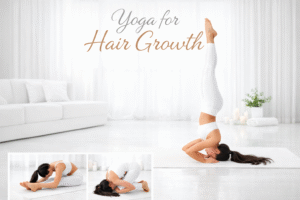
Healthy habits matter. Stress management (yoga, meditation, deep breathing) can prevent excessive shedding. Regular exercise boosts blood flow, ensuring follicles get nutrients for better growth.
Exploring Hair Fall Solutions
Women looking for natural or advanced solutions can try different options:
Topical Treatments
- Essential oils: Rosemary, lavender, or peppermint oils massaged into the scalp may support hair growth. Many consider them the best hair oil for women hair growth or even the best hair oil for men hair growth, depending on personal preference.
- Scalp massages: Boost circulation and strengthen follicles, especially when combined with oils.
Professional Treatments
- PRP Therapy: Uses your own blood plasma to encourage regrowth.
- Laser Therapy: Low-level lasers stimulate follicles and improve density.
These can be combined with hair treatment at home for hair fall for the best results.
Digital Healthcare Support for Hair Loss
In addition to home and clinical treatments, digital platforms are transforming how women manage menopause-related hair fall. One example is hairsncares.com, a healthcare platform designed for personalized hair loss treatment and management.
With hairsncares.com, women can:
- Take an online hair test to understand hair loss patterns and causes,
- Consult remotely with certified dermatologists,
- Receive a diagnosis report, prescription, and treatment plan,
- Get recommended medicines and therapies automatically added to an online cart,
- Access diet, stress, and lifestyle guidance,
- Work with a personal hair coach to track progress over time.
By blending medical expertise with smart technology, hairsncares.com makes hair treatment for hair loss more accessible, affordable, and tailored to each individual’s needs.
Conclusion
Hair fall during menopause is a common but manageable issue. It’s driven mainly by hormonal changes, stress, and lifestyle. By eating well, practicing gentle care, using effective hair fall remedies, and exploring professional or medical options, women can keep their hair stronger and healthier.
Every woman’s experience is unique. Some may only need simple home remedies for hair fall, while others may require advanced treatments. Consulting with a healthcare professional ensures you choose the best hair loss treatment for your needs.
For those seeking a convenient, personalized approach, platforms like hairsncares.com offer end-to-end digital solutions—from diagnosis to treatment and ongoing care. Combining expert medical advice with lifestyle coaching, it helps women manage menopause-related hair changes with confidence and ease.
With patience, care, and the right support, you can manage hair loss, how to stop worrying, and embrace this stage of life with resilience and healthier hair. Take the first step toward restoring your confidence by exploring tailored care through hairsncares.com.