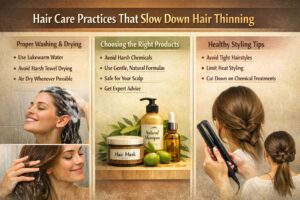




Benefits of Regrowth Oil for Hair are gaining attention among those looking for a natural solution for hair loss and a path toward healthier, fuller strands. These oils are often enriched with powerful ingredients like rosemary, castor, and peppermint—each known to nourish the scalp, support hair follicle health, and spark new hair growth. Whether you’re just starting to lose hair or simply want more shine and volume, using the right regrowth oil regularly can make a real difference.
Suitable for both men and women, regrowth oils also complement medical treatments for hair loss, including hair transplant surgeries and types of hair transplant techniques. Massaging these oils into the scalp not only improves blood flow and reduces inflammation—it also feeds nutrients directly to the recipient area. For many, it becomes a relaxing, self-care ritual. If you’re exploring natural hair regrowth strategies or looking to boost results after a hair transplant procedure, regrowth oil is a gentle, accessible place to start.
What Is Regrowth Oil and How Does It Help?
Regrowth oils are carefully blended formulas meant to strengthen hair follicles and support hair regrowth. They include natural extracts, essential oils, vitamins, and minerals that feed the scalp and improve hair quality—making them an ideal addition to your hair routine whether or not you’ve undergone hair transplant procedures like follicular unit extraction (FUE), follicular unit transplantation (FUT), MHI, or DHI.
Key Ingredients That Make a Difference
1. Essential Oils
Oils like rosemary, lavender, and eucalyptus are commonly used in hair restoration blends. Rosemary, in particular, is known to stimulate blood flow in the scalp and improve cellular function—both crucial for new hair growth. Lavender’s soothing properties can reduce inflammation and help with stress-related hair loss, which often worsens androgenetic alopecia.
2. Vitamins & Minerals
Biotin (Vitamin B7) and magnesium are star players in hair growth. Biotin helps with keratin production, a key protein for strong strands. Magnesium
reduce inflammation and improve nutrient absorption in the donor area and recipient site, making it useful after hair transplant surgeries.
3. Ayurvedic Ingredients
Traditional Indian herbs like amla, bhringraj, and neem bring ancient wisdom to modern hair care. Amla strengthens the hair follicle and supports long-term growth, while bhringraj helps with texture and reduces bald spots. Neem keeps the scalp clean and healthy, warding off dandruff and inflammation that can hinder hair regrowth.
How Regrowth Oils Support Hair Health
A healthy scalp is the foundation of strong hair. Regrowth oils often have antimicrobial and anti-inflammatory properties that soothe issues like dryness, flaking, or even seborrheic dermatitis. By improving scalp health, they also create better conditions for transplanted hair after FUE hair transplantations or other types of hair transplant procedures.
Over time, using regrowth oil strengthens hair shafts and reduces breakage. Stronger strands hold up better to daily stress, pollution, and weather. The result? Fuller, shinier hair that looks and feels healthier.
What to Know Before Choosing a Regrowth Oil
1. Know Your Hair Type
Lighter oils like argan or jojoba work well for fine hair, while thicker oils like castor or coconut better suit coarse or curly textures. Understanding your hair helps you choose an oil that won’t weigh it down or clog pores—especially important if you’ve had a hair transplant experience and are nurturing the donor site or recipient area.
2. Go Natural
Choose products that rely on clean, organic ingredients. Oils packed with synthetic chemicals can irritate the scalp and harm delicate hair grafts post-transplant. Look for oils rich in vitamins, minerals, and natural compounds that support types of hair transplant techniques like FUT, FUE, DHI, and MHI.
3. Read Real Reviews
People with similar hair concerns can offer insight into how well a regrowth oil actually works. If you’re recovering from hair transplant surgeries, look for reviews from others with that experience. Their feedback can help set realistic hair transplant expectations.
How to Use Regrowth Oil Effectively
Apply the oil directly to your scalp, especially where hair is thinning or where bald spots have appeared. Use gentle, circular motions with your fingers to massage the oil in. This promotes blood circulation and ensures the oil reaches the roots, a habit that complements the recovery process after a hair transplant procedure.
The frequency depends on the oil and your needs. Some can be used daily, others a few times a week. Always follow the instructions—or consult a hair transplant surgeon or dermatologist for a personalized plan, especially if you’ve had FUE, FUT, or other types of hair transplant.
Pairing oils with serums or PRP treatments can boost results. Whether you’re trying to extend the effects of hair transplant techniques or looking for a standalone solution to hair loss, an oil routine helps support the journey to long-term growth.
What If You’re Not Seeing Results?
Hair growth depends on many factors—genetics, hormones, stress, and nutrition. If you’ve tried regrowth oils consistently but see little change, speak with a healthcare provider. You may have a type of hair loss that needs clinical treatment or be a good candidate for transplant surgeons to assess your eligibility for hair restoration procedures.
Should You Use Serums Too?
Hair serums can be great for shine and frizz control but aren’t meant to replace regrowth oils. Instead, think of serums as a finishing step in your routine, especially if you’re managing the delicate transplanted hair after DHI, FUT, or FUE hair transplantations.
A Note on Eucalyptus Oil and Gums
Although not directly tied to hair care, eucalyptus oil is sometimes mentioned for gum health. Always dilute it and talk to a dental professional before trying it. Holistic wellness can support overall well-being—including your hair.
Final Thoughts: A Simple Step Toward Healthier Hair
Hair regrowth oils offer a gentle yet powerful way to strengthen your strands and support natural hair regrowth. Whether you’re recovering from a hair transplant experience, managing androgenetic alopecia, or exploring non-surgical solutions to hair loss, these oils can be a key part of your toolkit.
Be patient, stay consistent, and choose the right oil for your needs. When paired with professional treatments, healthy habits, and the guidance of a trusted hair transplant surgeon, regrowth oils can lead you closer to fuller, thicker, and more confident hair.