


Temporal Recession of Hairline: Causes, Treatments, and Solutions refers to the gradual thinning or backward movement of hair at the temples, often forming an “M-shaped” or uneven hairline. This condition is common in men with androgenetic alopecia but can also affect women due to hormonal changes, stress, or even hairstyling habits.
If your temples are starting to thin, it’s often an early sign of progressive hair loss. Taking action early makes a real difference. By understanding the causes, you can choose the right approach—whether it’s simple lifestyle changes, using the best hair oil for hair growth, or considering advanced hair restoration options like FUE, MHI / DHI or FUT procedures.
Addressing temporal hairline recession matters because it doesn’t just change your look—it impacts confidence, self-image, and daily styling. With the right hair fall remedy, hair treatment for hair loss, and consistent care, you can slow, manage, or even restore natural growth at the temples.
What Is Temporal Recession of Hairline?
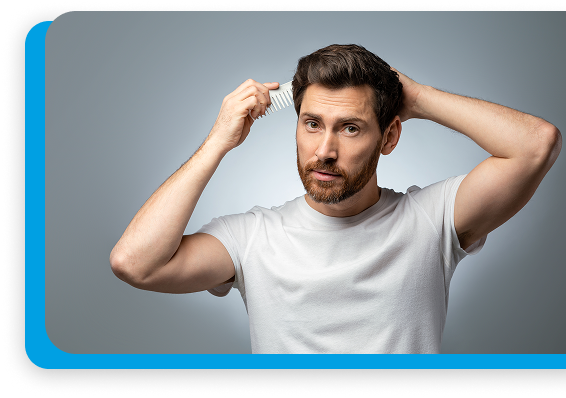
The temporal region lies on both sides of your forehead, near the temples. Temporal recession happens when hair in this area starts thinning, receding, or disappearing. It can appear as mild thinning or a deep M-shaped hairline often linked with male pattern baldness.
Unlike general hair loss across the scalp, temporal recession is localized but very noticeable. It makes the forehead look broader, often giving an older appearance.
Causes of Temporal Recession
Understanding the root cause is the first step in finding the right solution to hair loss. Common causes include:
- Genetics and Androgenetic Alopecia
The leading cause is androgenetic alopecia (male or female pattern baldness). Genetic sensitivity to dihydrotestosterone (DHT) causes follicles to shrink, especially at the temples and hairline. - Hormonal Changes
Shifts in hormones like testosterone and estrogen play a major role. Men may notice temple thinning in their teens or twenties, while women often experience it during menopause or postpartum hair fall. - Stress and Lifestyle Factors
Chronic stress, lack of sleep, smoking, and alcohol weaken hair. Stress-induced shedding (telogen effluvium) can worsen temple thinning. - Hairstyling and Traction Alopecia
Tight hairstyles like ponytails, braids, or man buns cause pulling at the temples. Over time, this traction damages follicles. - Nutritional Deficiencies
Lack of biotin, vitamin D, iron, and zinc weakens follicles, speeding up hairline recession. - Medical Conditions and Medications
Thyroid issues, autoimmune disorders, and medications like chemotherapy or antidepressants may cause temple thinning.
Signs and Symptoms of Temporal Hairline Recession
Early detection makes hair loss treatment more effective. Look for:
- Uneven hairline with deeper temple recession
- More visible scalp in the temple area
- Thin, weak, or miniaturized hairs around the forehead
- Excess shedding at the front
- Difficulty styling due to reduced density
Without hair fall remedies or treatments, temporal recession can progress into full frontal baldness.
Psychological Impact
A receding hairline can deeply affect confidence and self-esteem. Many people experience:
- Avoiding social settings
- Fear of looking older than they are
- Feeling less confident at work or in relationships
Because appearance is tied to emotional well-being, finding a home remedy for hair fall or a professional treatment becomes important for both looks and mental health.
Treatment Options for Temporal Hairline Recession
The right hair treatment for hair loss depends on severity, cause, and personal goals. Here are the most effective solutions:
- Medical Treatments
- a) Minoxidil (Topical Solution)
- Stimulates follicles and supports hair regrowth.
- Works best in early stages of temple thinning.
- Comes in 2% and 5% strengths.
- b) Finasteride (Oral Medication)
- Reduces DHT levels, slowing down follicle shrinkage.
- Works well for men; requires medical supervision.
- c) PRP Therapy (Platelet-Rich Plasma)
- Uses plasma rich in growth factors injected into the scalp.
- Improves blood flow, strengthens follicles, and boosts regrowth.
- Hair Transplant Procedures
For advanced cases, hair transplant surgeries offer lasting results.
- a) Follicular Unit Extraction (FUE)
- Extracts individual grafts from the donor area (back of scalp) and implants them into the temples.
- Leaves tiny scars and looks natural.
- b) Follicular Unit Transplantation (FUT)
- Removes a strip of scalp from the donor site, then transplants follicles.
- Better for covering larger bald spots.
- c) Direct Hair Implantation (DHI) and MHI Method
- Advanced versions of FUE using specialized tools for precise implantation.
- Quicker recovery with natural results.
An experienced hair transplant surgeon ensures natural density and long-term success.
- Non-Surgical Treatments
- Low-Level Laser Therapy (LLLT): Stimulates blood flow and follicle activity.
- Scalp Micropigmentation (SMP): Creates the look of fuller hair with micro-ink dots.
- Hair Treatment at Home for Hair Fall
Natural home remedies for hair fall can support overall hair health:
- Onion Juice: Rich in sulfur, strengthens roots and boosts collagen.
- Aloe Vera Gel: Calms scalp and nourishes follicles.
- Coconut Oil & Castor Oil: Deeply conditions and prevents breakage.
- Rosemary & Peppermint Oil: Increase circulation and encourage regrowth.
Using the best hair oil for men hair growth or the best hair oil for women hair growth consistently improves thickness and scalp health.
Digital Healthcare Solutions for Hair Loss
Alongside traditional and home-based remedies, digital healthcare platforms are transforming how individuals manage temporal hairline recession.
For example, hairsncares.com is a digital healthcare platform specializing in personalized hair loss diagnosis and treatment solutions. It offers a seamless online experience where users can:
- Take a hair test online to assess hair loss patterns and contributing factors,
- Consult with certified dermatologists remotely,
- Receive a comprehensive prescription, diagnosis report, and management plan,
- Have all recommended medicines or treatments auto-added to their online cart for convenient purchase,
- Gain access to diet, stress, and lifestyle advice, and
- Work with a dedicated hair coach to track and optimize treatment progress over time.
By combining medical expertise with smart technology, hairsncares.com delivers end-to-end hair care management—accessible, affordable, and tailored for every individual.
Preventing Temporal Recession
Preventive care is often easier than reversing hair loss. Protect your hairline by:
- Avoiding tight hairstyles
- Eating a balanced, protein-rich diet
- Managing stress with yoga, meditation, or exercise
- Keeping scalp clean and avoiding harsh chemical products
- Shielding hair from direct sun exposure
Temporal Recession in Men vs. Women
In Men
- May begin as early as the late teens
- Leads to the classic M-shaped hairline
- Strongly tied to androgenetic alopecia
In Women
- Appears as thinning rather than sharp recession
- More noticeable after delivery or during menopause
- Hormonal changes and hairstyling often play a role
Long-Term Outlook
With timely hair loss treatment, the right hair fall remedies, and consistent care, temporal hairline recession can be managed effectively. While complete reversal is not always guaranteed, combining medical treatments, home remedies, and surgical solutions offers the best results for long-term hair regrowth.
Conclusion
Temporal recession of the hairline might seem like a natural sign of aging, but today’s options—from home remedies for hair fall and the best hair oils for men and women to advanced FUE, FUT, DHI, and MHI hair transplant techniques—make it treatable.
Identifying the cause, starting early hair treatment at home for hair fall, and seeking professional help when needed can slow or even reverse temple thinning. If you’re struggling with a receding hairline, consult a trusted hair transplant surgeon or dermatologist for a customized plan. With the right care, hair regrowth and renewed confidence are possible.
For those looking for convenient and expert-backed solutions, hairsncares.com offers a complete digital healthcare platform to address hair loss. From personalized diagnosis and dermatologist consultations to tailored prescriptions, treatment plans, and ongoing support with a dedicated hair coach, it ensures your journey toward healthier hair is guided every step of the way.
👉 Take the first step today—visit hairsncares.com to explore solutions tailored to your hair loss needs.